Tall Timbers, UF monitoring coyote behavior at Livingston Place

Jun 11, 2024

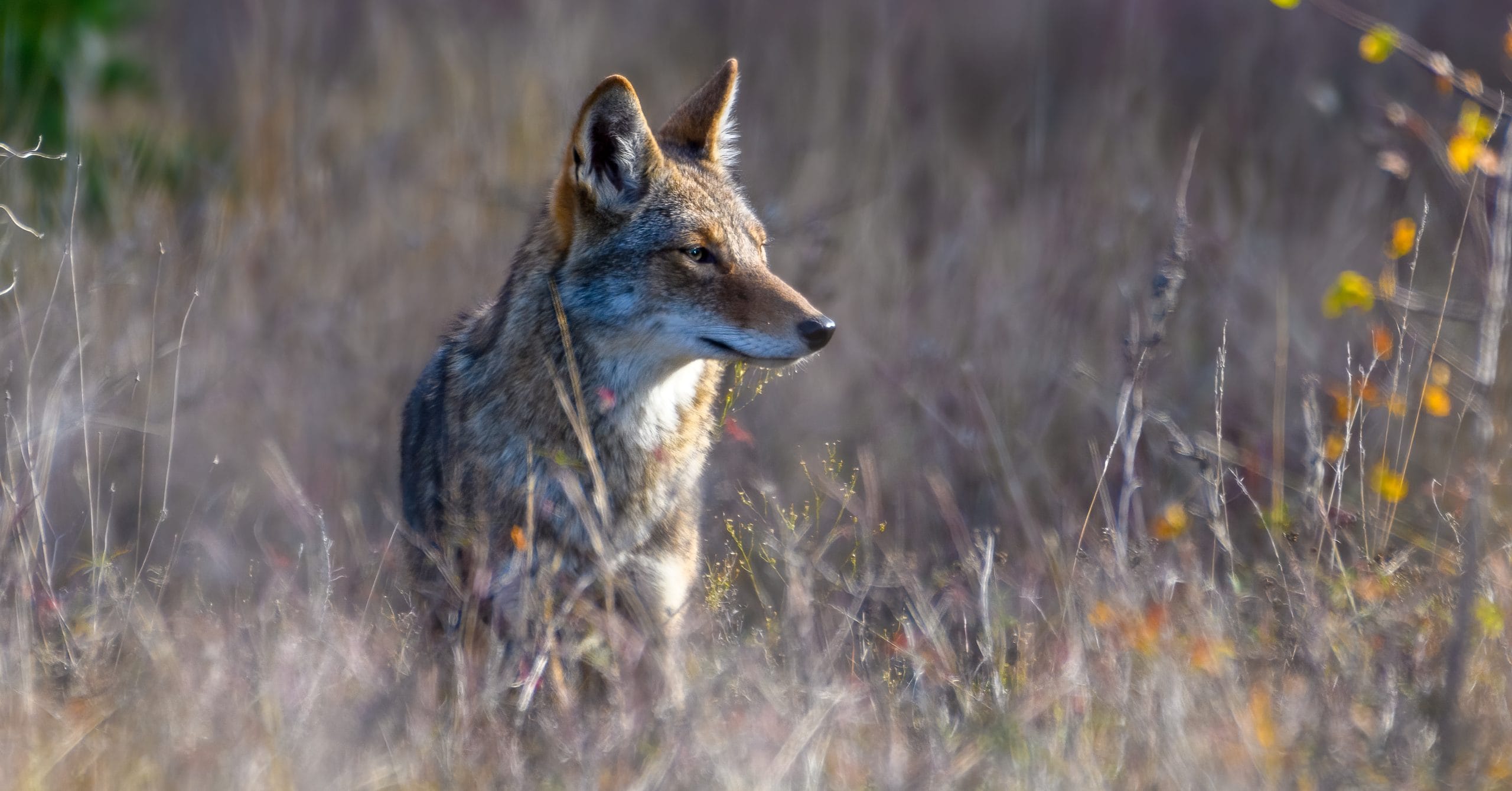
We can now see in real time how coyotes move on Livingston Place using GPS collars.

Tall Timbers has partnered with Assistant Professor at the University of Florida, Hance Ellington to better understand coyote behavior on the Red Hills landscape. Understanding how coyotes use our landscape will give us a better understanding of predator-prey dynamics in the system. We can also understand how prescribed fire impacts coyote foraging and movement.

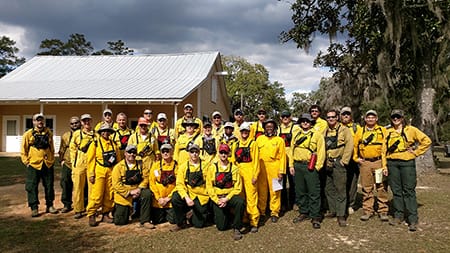
With the help of Dr. Ellington’s PhD student, Dakotah Shaffer and USDA Wildlife Services, we successfully collared six coyotes on Livingston Place in the spring of 2024. GPS locations for the coyotes are uploaded by satellite minimally on an hourly basis. The collars will stay on the coyotes for a year and automatically drop off at that point we can retrieve them and make sure all of the locations were properly uploaded.

In addition to watching the coyote movements we are also monitoring their potential prey items on Livingston Place. We have cameras placed every square kilometer to capture photos of other wildlife on the property. Based on the thousands of camera images we will collect we will attempt to predict potential predation events.

Shaffer is conducting similar research at the UF-owned DeLuca Preserve in Osceola County.

This project will continue on Livingston Place over the next two-three years. We will be sharing more information as we compile and analyze the data.


 

About the Author
Kim Sash
Kim is the Biological Monitoring Coordinator at Tall Timbers, helping connect research and land conservation work. She brings a great depth of experience in hands on land management and research, in addition to being our go to person for any reptile and amphibian questions.
  • Recent Articles
    Turkey hunting for biodiversity data

    The Stoddard Bird Lab is pilot testing a new app that engages turkey hunters in collecting data on Chuck-will’s-widow, a declining species in the eastern United States.

    Tall Timbers’ historic Beadel House lost in fire

    The two-story house built in 1895 by Edward Beadel ignited after a lightning strike during a severe storm moving through the Red Hills. It housed numerous artifacts from our organization’s history and four staff offices.

    New online prescribed fire academy launched for private landowners

    Private landowners play a big role in the prescribed fire conducted annually in the Southeast. The Tall Timbers Prescribed Fire Academy was established to provide them with access to high-quality, continually improved training options. Thanks to funding from our state...

    Belowground biomass in pine savannas – more than meets the eye

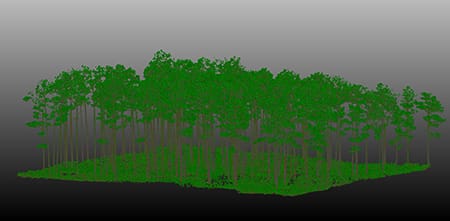
    Most savannas and grasslands worldwide are sustained by frequent fires that kills the above-ground portion of long-lived plants that then resprout from belowground parts, including roots, rhizomes and other nutrient storage structures. However, very few studies have...

    Does growing season prescribed fire affect turkey nesting?

    Wild turkeys, like a host of other ground-nesting birds in the Southeast, need regular prescribed fire to maintain their habitat. As many land managers start to head into the woods to light off fires that will inevitably help turkeys, bobwhite, and a number of other...

    Related Articles

    Return Dove Band Numbers for Recurring Study

    Return Dove Band Numbers for Recurring Study

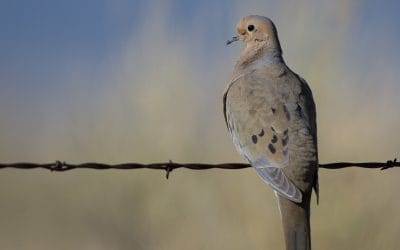
    The third year of a study by Tall Timbers and other partners hopes to capture data about movement patterns of mourning doves in the Red Hills and Albany regions of Georgia and Florida. During the 2022-23 hunting season, the initial year of the study done in...

    read more