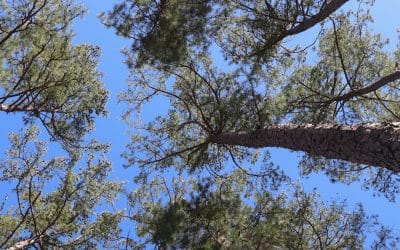
The Motus tower at Tall Timbers recently detected migratory wood thrush, Swainson’s thrush, and a prairie warbler during the Fall migration. The tower is also capable or tracking other animals as they journey south for the winter.
Articles
Meeting in China builds consensus for prescribed fire in Southeast Asian savannas
A collaboration in Asia is helping to place southeastern U.S. pine savannas, as exemplified by Tall Timbers and other properties in the Red Hills, on the global map of fire-dependent humid savannas that occur on several continents.
2026 Tall Timbers Regional Hatch Report
Heading into the 2026 breeding season, our long-term study sites experienced historic drought conditions, which resulted in challenges, delays and even halting of burning. Initial response by bobwhite varied drastically by region.
How to: Establishing a pollinator plot
Establishing a pollinator-friendly flower plot can provide a burst of color throughout the year, support stronger biodiversity and create habitat for insects.
Managing overstory is vital to bobwhite, timber health
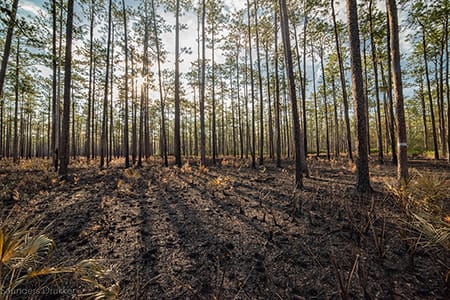
This updated article is based on content originally published in the Tall Timbers Bobwhite Quail Management Handbook Managing the overstory on a property can be the most important decision made by a landowner, as it affects not only habitat suitable for bobwhite quail...
Crops to quail. It’s possible to convert agriculture into bobwhite habitat
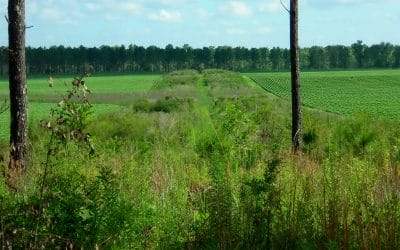
This updated article is based on content originally published in the Tall Timbers Bobwhite Quail Management Handbook The history of agriculture has had a profound effect on bobwhite populations over much of their range. As the forests of the east were cleared to make...
A record drought year reveals hardships for Red-cockaded Woodpeckers
The drought of 2026 had an impact on Red-cockaded Woodpeckers in the Red Hills. It’s peak came when the federally threatened birds were nesting, a critical time where doting parents and family members incubate eggs and feed the young.
Wildfire Emissions Prevention Act advancing in Congress
The U.S. Senate unanimously passed the Wildfire Emissions Prevention Act (WEPA), a bipartisan bill to encourage the use of prescribed fire by reducing regulatory hurdles associated with recent changes to the Clean Air Act.
Managing invasive Lespedeza
Above: Nonnative, invasive Lespedeza species, bicolor lespedeza (Lespedeza bicolor), left, and sericea lespedeza (Lespedeza cuneata). The genus Lespedeza contains many native plant species distributed throughout the Southeastern U.S. These legumes all have trifoliate...
Prescribed fire risk-pool insurance expanding to western states
A pilot project to develop private-market solutions in the Southeast for prescribed fire liability insurance is now expanding to several western states. Those efforts have continued to evolve, demonstrating that innovative partnerships can help expand access to...
Spring Mill a shining example of quail restoration
After a decade of hard work, Spring Mill boasts an impressive population and serves as a shining example of how intensive habitat management can successfully restore the iconic gamebird.
Revisiting the Red Hills gopher tortoise population assessment
The Tall Timbers Biological Monitoring Program is resurveying gopher tortoise populations in the Red Hills, revisiting properties where a similar survey was done in 2015. Thanks to a grant from the National Fish and Wildlife Foundation, biologists will return in early...