This article also appeared in the Tallahassee Democrat on February 13.
The site of the oldest evidence of humans in Florida – Jefferson County’s Page-Ladson Site – is now permanently protected by a conservation easement with Tall Timbers.
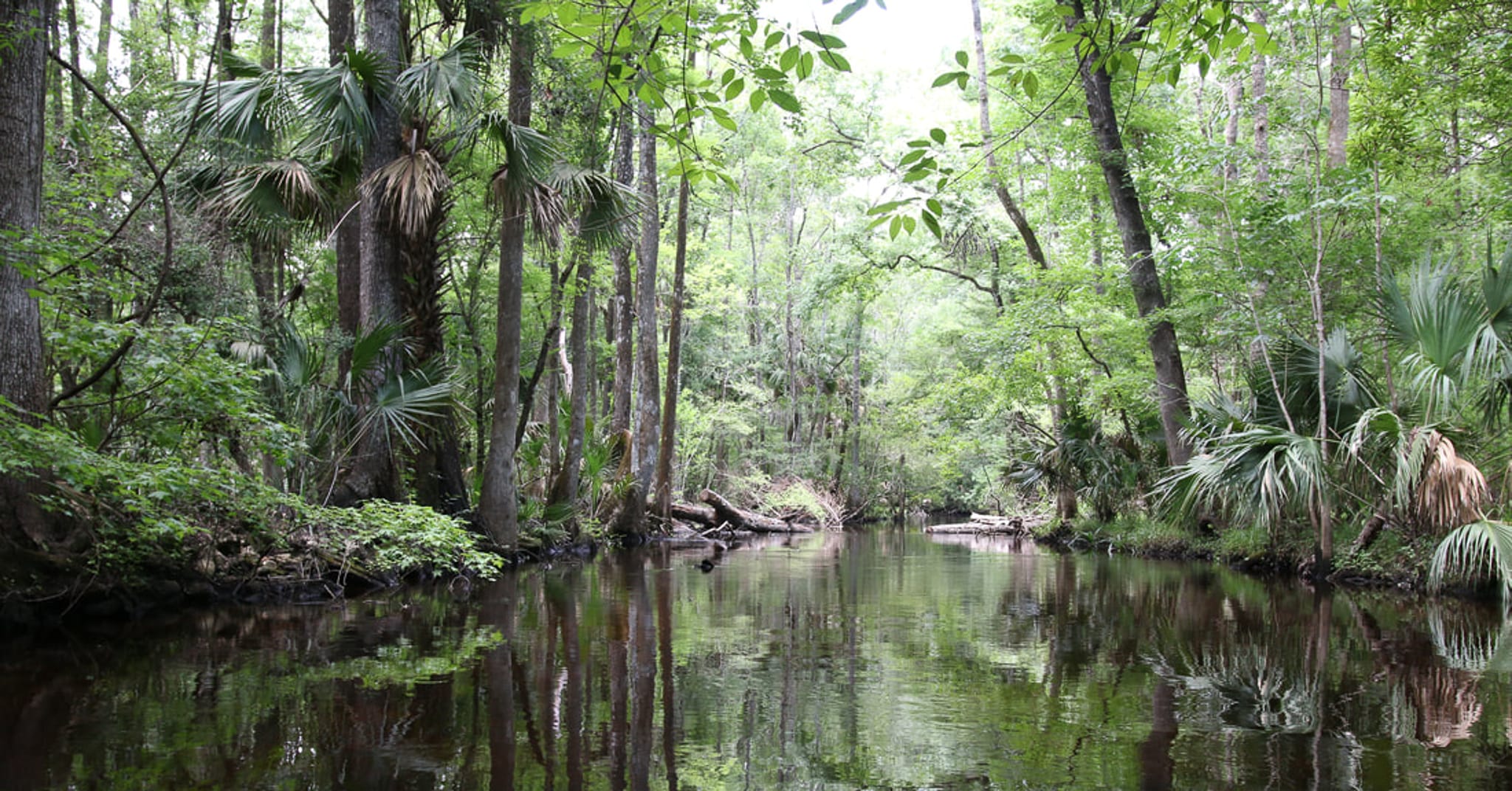
Finalized in December, the conservation easement encompasses 1,834 acres in Jefferson and Taylor counties and includes an impressive 2.4 miles of the Aucilla River, 1.8 miles of the Wacissa River and the Slave Canal and the first magnitude spring, Nutall Rise.
Tall Timbers, a land stewardship research station and accredited land trust, now holds the easement purchased with funding from the Florida Department of Environmental Protection’s Springs Grant. The property is surrounded on three sides by public land – the St. Marks National Wildlife Refuge, Aucilla Wildlife Management Area and the Big Bend Wildlife Management Area, making it a key connector in Jefferson and Taylor counties and the Florida Wildlife Corridor.
Tall Timbers’ Land Conservancy Director Shane Wellendorf lauded the State of Florida, the Governor’s Office and the Florida Department of Environmental Protection for their support of the Ladson Conservation Easement acquisition through their Springs and Watershed Restoration Program. Additionally, the Knobloch Family Foundation and the Ladson Family were generous supporters of the project, and much of the project’s transactional costs were supported with a grant from the Gulf Partnership for Land Conservation.
The Aucilla River running through the property disappears underground and reappears in several places creating numerous sinkholes and springs while the Wacissa is a publicly accessible waterway popular for kayaking, birding, fishing and outdoor recreation
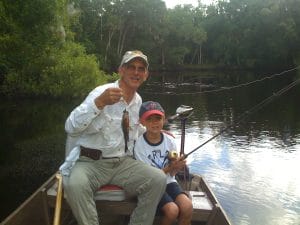
John Ladson and his family use the property for fishing and outdoor recreation.
John Ladson, whose grandfather bought the land in the 1940s, said the property has fascinated him since he was a boy and still does today.
“Besides being historically and ecologically important, it is a mysterious piece of property,” he said. “I’m 79 and I still remain just as fascinated by that property as I was when I was 9 years old.”
The journey to permanent protection through a conservation easement has taken several years, but the significance of the property comes with a sense of responsibility to see it remain undeveloped.
“It’s just a beautiful piece of property and we all love it and cherish it and want to see it protected as it is today,” Ladson said. “This is something the family has considered for a fairly long period of time, but we were looking for the right partner to work with. We found that partner in Tall Timbers.”
Ladson said his family uses the area today mostly for fishing but they also love to explore the deep swamps and Native American mounds across the property.
Mix in the archeology, limestone sinkholes and first magnitude springs, and the Ladson Tract is a unique treasure.
“The family feels that the Nutall Rise property is the gem of the lower Aucilla River,” Ladson said. “I think that’s a fair statement.”
The new conservation easement on the Ladson property will prohibit residential, industrial and commercial development on the property while protecting natural areas.
Permanent conservation of the Ladson property will also provide protections for water quality in the lower Wacissa and Aucilla rivers, both listed by the state as Outstanding Florida Waterways, as they meander toward the rich Gulf estuaries they feed with fresh water.
The Ladson conservation easement means the entirety of the Wacissa River and its tributaries will be protected from future development.
The state of Florida’s commitment to conserving the property with public dollars provides an invaluable connection within the Florida Wildlife Corridor and existing, permanently protected private and public lands in the region, noted Tall Timbers’ Wellendorf.
“The Ladson Conservation Easement is an amazing conservation win for Florida and highlights the value that can come from Florida’s investment in conservation easements,” Wellendorf said. “Critical lands surrounding Nutall Rise, the Wacissa River Slave Canal, and the Aucilla River are permanently conserved as natural floodplain forests and coastal hammocks, never to be developed or converted to other land-uses. In addition to conservation of critical ecological areas, the easements also preserve one of the most important archeological sites on the planet.”
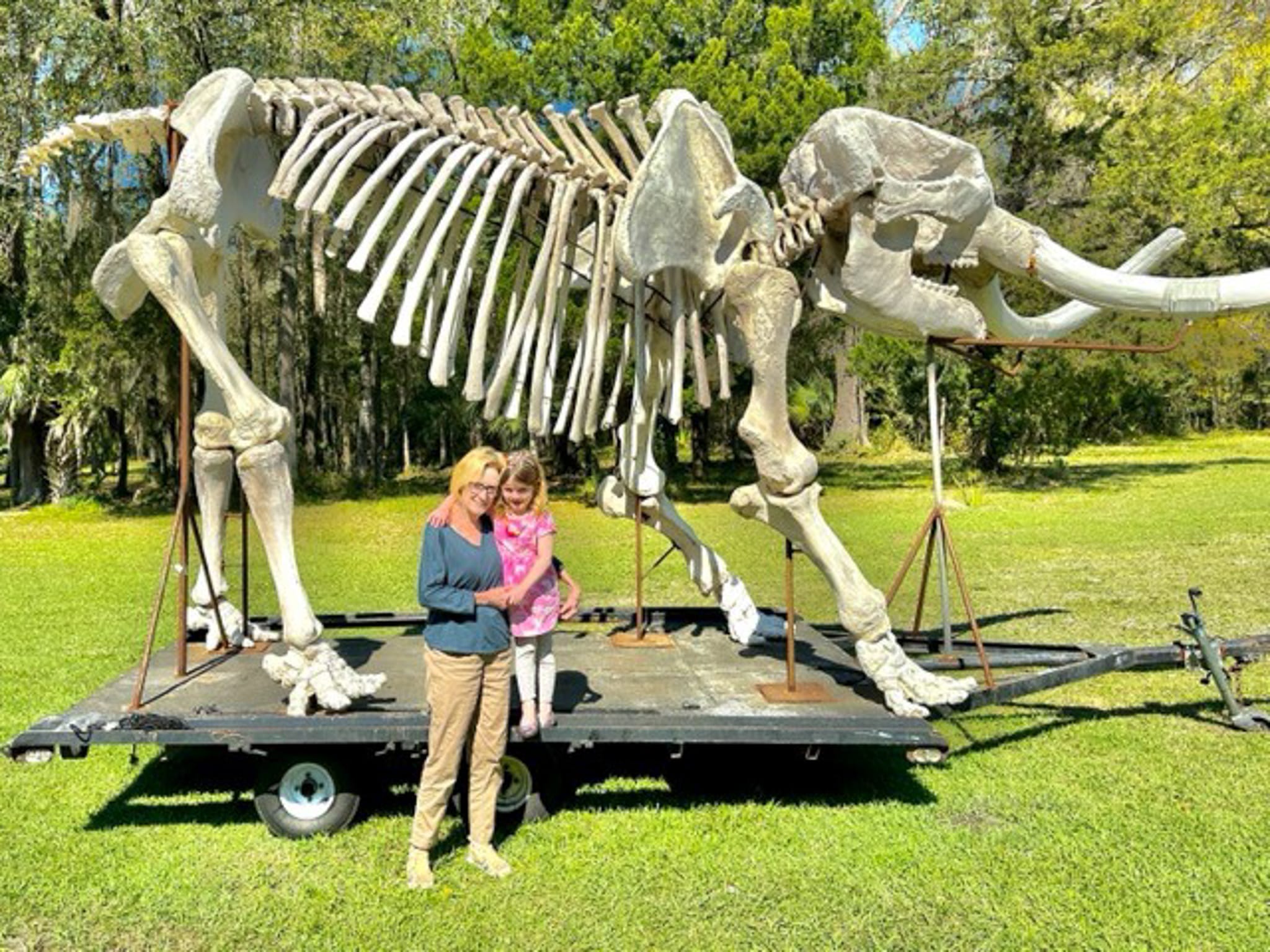
Since 1968, fossils from mastodons and Colombian mammoths have been found on the property as have clay pottery and tools showing early evidence of humans in the region. A complete mastodon skeleton was excavated and is housed in the University of Florida’s Museum of Natural History.
Tool marks on bones found at Half Mile Rise in the 1980s, near the confluence of the Aucilla and Wacissa rivers, provided the earliest evidence of people in the United States dating back around 14,550 years ago.
The history of the region, both pre and post-European, is important to understanding how people have utilized the unique landscape. A Wacissa tributary known today as the Slave Canal may have been used by indigenous tribes to transport goods to the Gulf and later by the Spanish in the 16th and 18th centuries.
In the early 1800s, attempts were made to widen this thin stretch of river to create a trade route for timber, agricultural goods and livestock that connected with the Aucilla River and eventually the Gulf. Work halted during the 2nd Seminole War but the initiative was renewed by local plantation owners who forced enslaved Africans of Jefferson County to deepen the canal, hence the name Slave Canal. Work stopped again at the start of the Civil War and further attempts to restart the project ended with the construction of railroads throughout the region.
Today the Slave Canal remains a popular paddling destination.
The Ladson property is valuable for the protection of water resources and natural habitats such as floodplain forests and coastal hammocks.
These forested areas help to minimize flooding impacts by reducing water flow and holding vast amounts of surface water before it makes its way to the Gulf. Additionally, numerous wildlife species thrive on the Ladson property, ranging from wading birds like the little blue heron, to Florida black bears. In the spring the forests are alive with migrating birds, like the prothonotary warbler and swallow-tailed kite.
This conservation easement will guarantee those coastal forests remain for future generations, Wellendorf said.
“For the many adventurers that have paddled the Wacissa River-Slave Canal and been able to experience wild Florida, the Ladson Conservation Easement ensures this unique opportunity will remain forever wild.” “We will be eternally grateful to the Ladson family and the State of Florida for this perpetual commitment to conservation.”
-

- Pricilla, a cast of a mastodon skeleton found on the Ladson property.
-
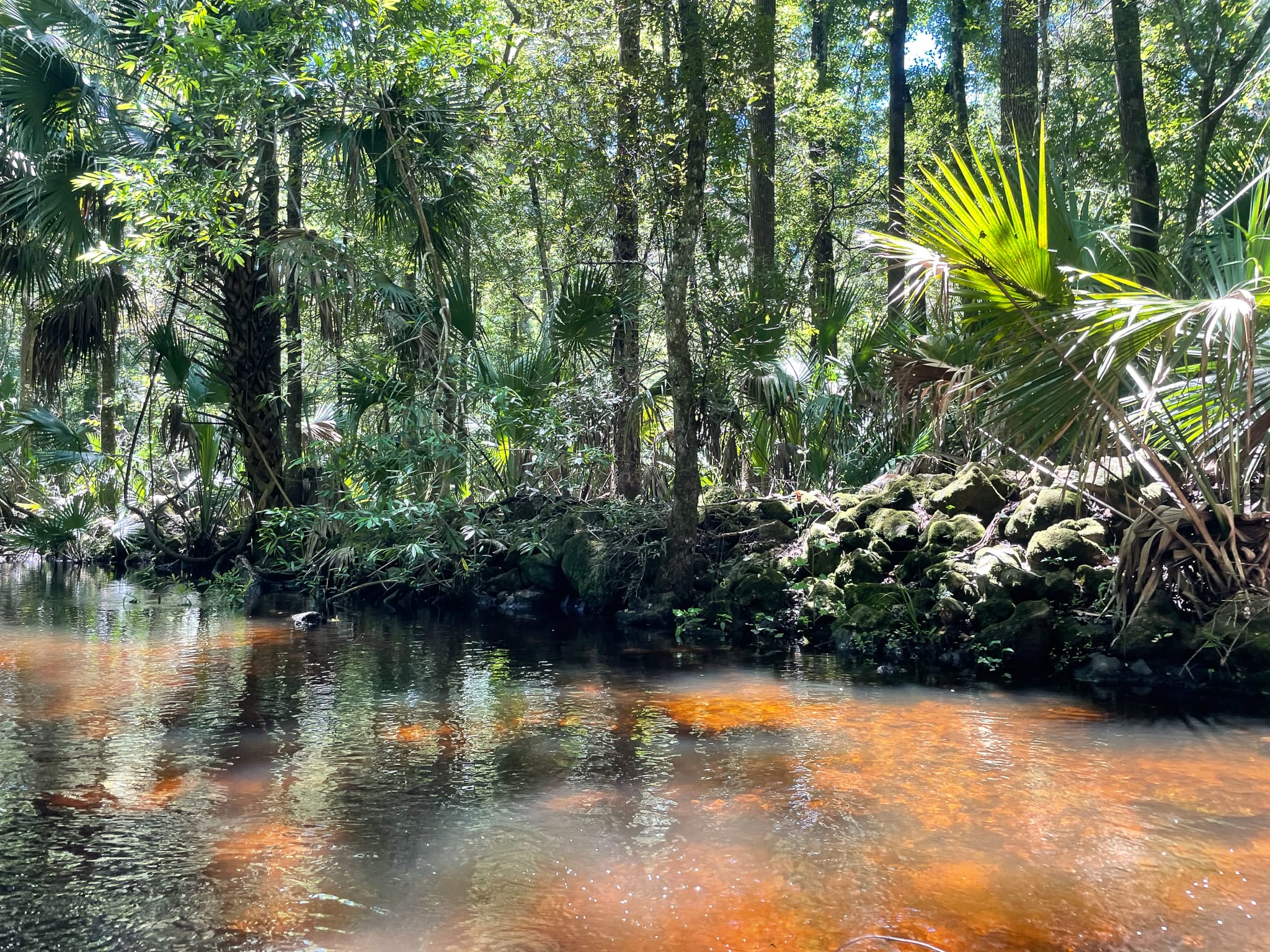
- Rocks along the banks of the Slave Canal.
-
- Nutall Rise spring.

-
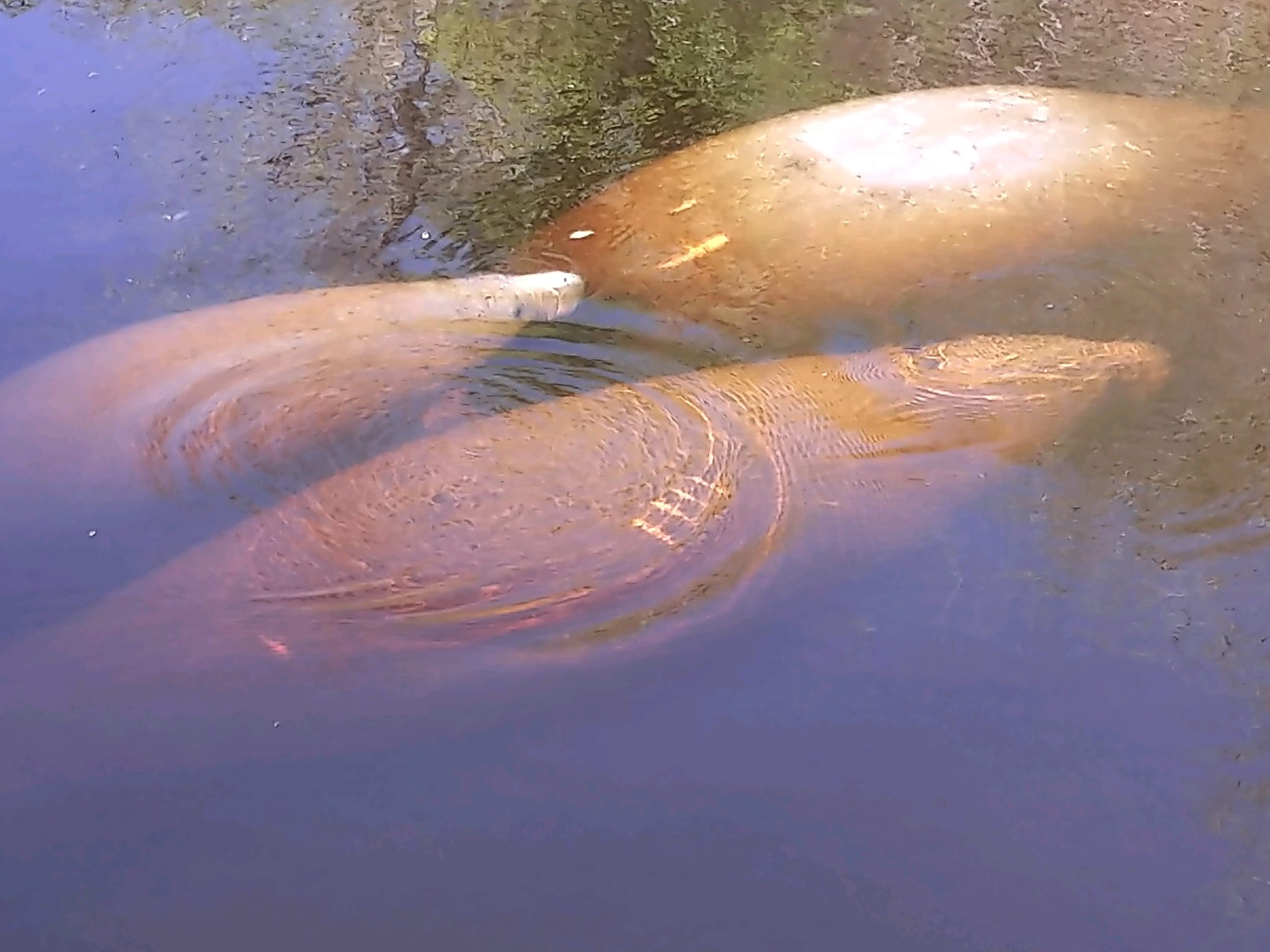
- Manatees in the Aucilla River.
-
- John T. Ladson and Gray Barbee

-

- John Ladson in 1954.


-
- John Ladson and his family use the property for fishing and outdoor recreation.

-
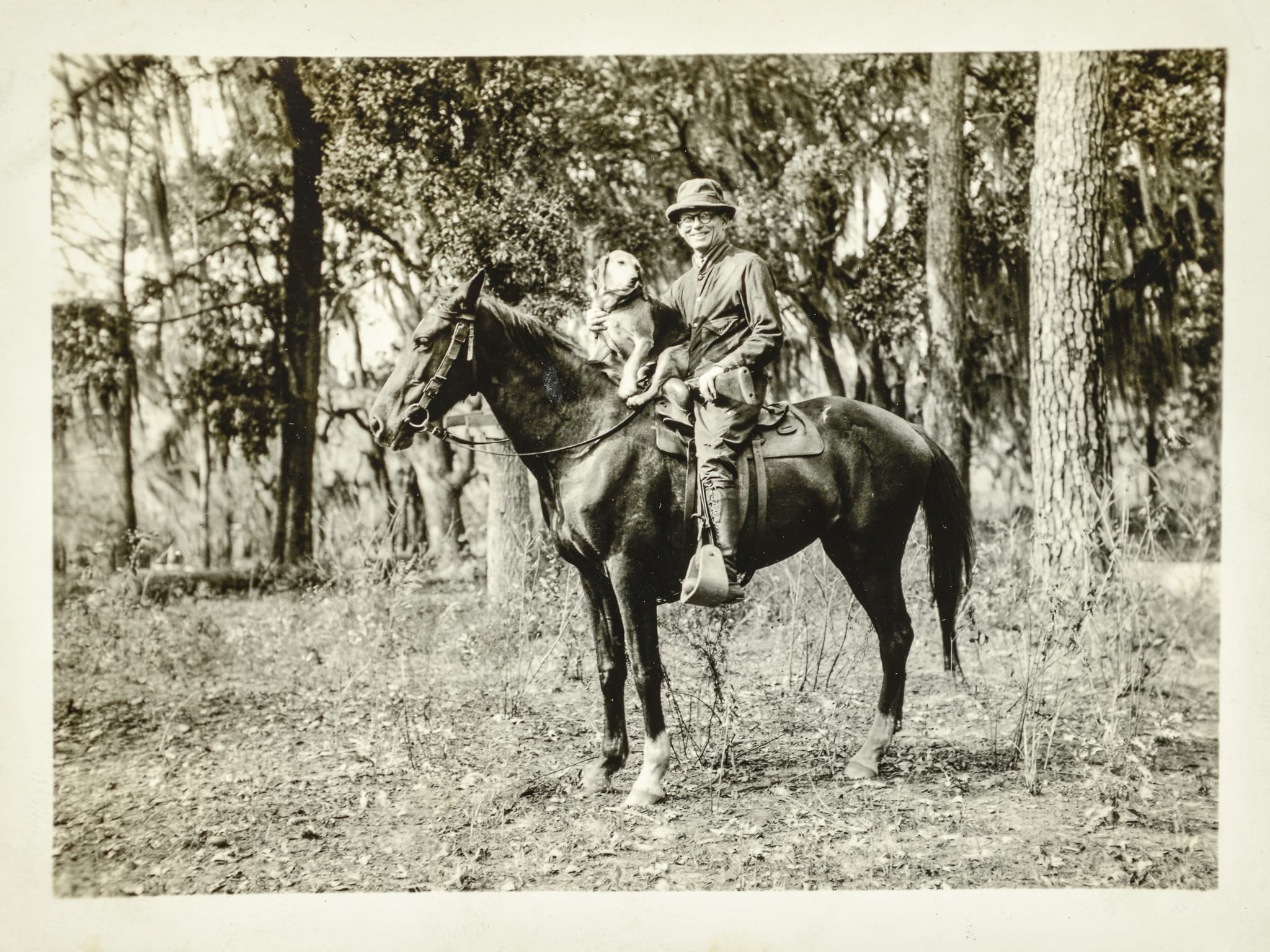
- J.E.L.ADSON,SR.W/ QUEEN
-
- The rapids at Half Mile Rise

-

- Bill Ladson Jr.

-

- Tall Timbers staff paddling the Slave Canal