Every five years, the federal government must reauthorize the Farm Bill. This sweeping legislative package is made up of a variety of different policies from conservation to nutrition to rural development that authorizes the U.S. Department of Agriculture to carry out activities for the next five years. Because of its size and scope, Members of Congress writing this bill look to organizations like Tall Timbers to share what is working within current law and what isn’t.
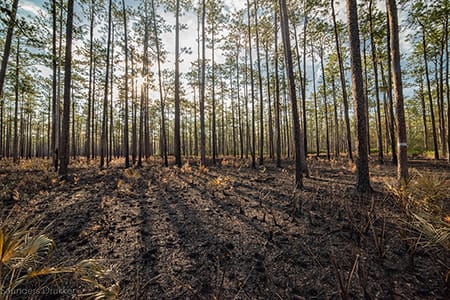
Tall Timbers is engaging in several policy areas, including prescribed fire. The U.S. Forest Service sits within the U.S. Department of Agriculture and could see major changes to how the agency is authorized to treat prescribed fire. Tall Timbers is working closely with the Forest Service and congressional committees writing the Farm Bill advocating for the most flexibility and resources for this work.
We have also established the following Farm Bill priorities and will continue to shape these as we work through this process.
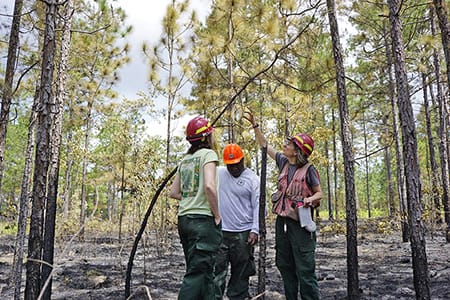
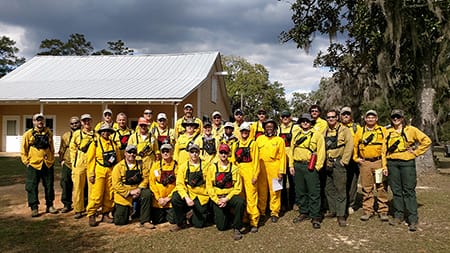
- Fire workforce development, including training and jobs for vulnerable populations and a pilot program for regional prescribed fire implementation teams.
- Private lands prescribed fire, including public assistance for the creation of Prescribed Burn Associations of private landowners, changing prescribed fire from a cost-share practice to a fully reimbursed practice, developing solutions to high prescribed fire liability insurance rates, and approving the National Prescribed Fire Act of 2021.
- Fire science research, including prioritizing prescribed fire science funding, authorizing the Fire and Smoke Model Evaluation Experiment, establishing National Centers for Prescribed Fire and Wildfire Sciences, and approving the National Wildland Fire Risk Reduction Program Act.
- Conservation easements, including ensuring the Regional Conservation Partnership Program (RCPP) review process fosters the use of conservation easements, reforming the Farm Bill’s “certified entity” application and enrollment process to ensure accredited land trusts have a streamlined path to become certified, and establishing a standalone Forest Conservation Easement Program.
A more detailed review of the Tall Timbers Farm Bill Priorities is available here.
The Farm Bill expires at the end of September 2023. With a new Congress in place, organizations, including Tall Timbers, are meeting with Members of Congress to advocate for key priorities within the final bill. The House and Senate Agriculture Committees will begin writing the Farm Bill over the next few months and we anticipate multiple hearings on wildfire and the conservation programs we use.
We will continue to offer guidance on Farm Bill programs and forge partnerships with other conservation organizations as we educate and advocate for programs and funding that benefit working rural lands and the conservation opportunities they provide.