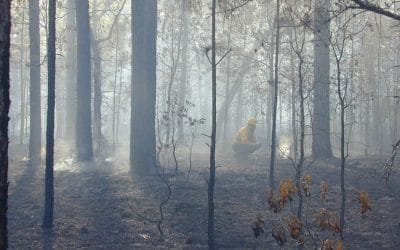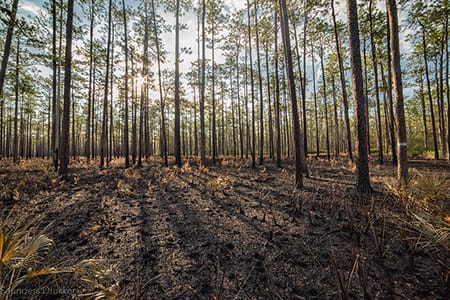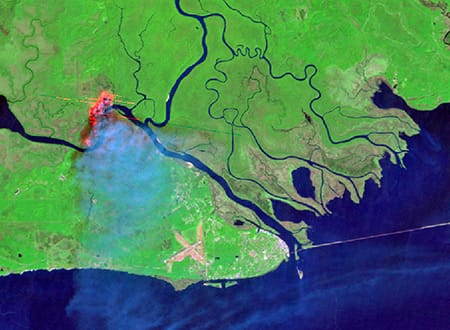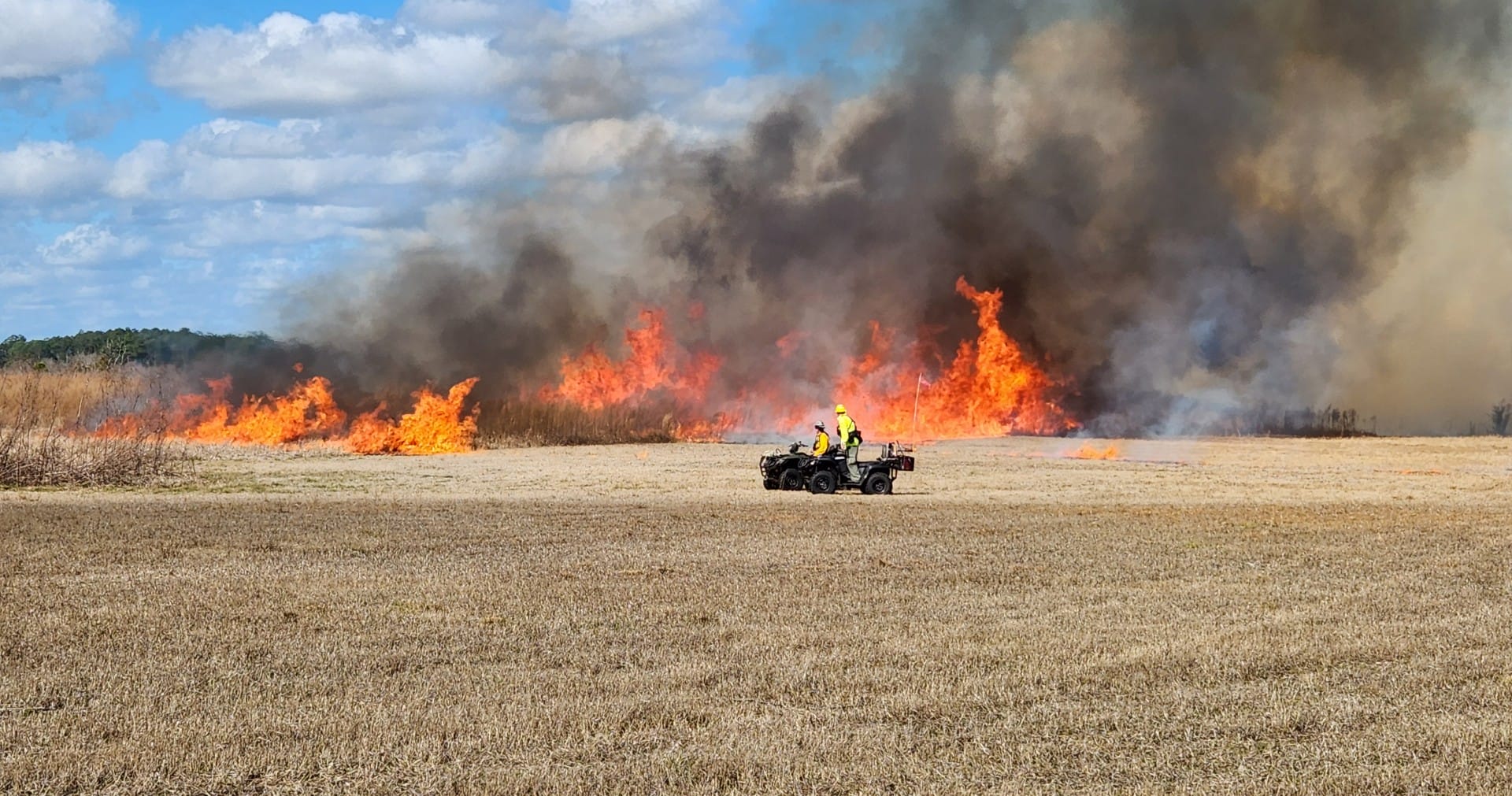
Prescribed fire and ecological health may not be the first thing that comes to mind seeing smoke coming off the dry lakebed of Lake Jackson.
But applying fire in a different way, in this case to a 115-acres patch of wet prairie habitat last month, will improve the lake bottom when water does return to the North Tallahassee waterway and encourage more plant and animal biodiversity.
Part of a string of sinkhole lakes that experience periodic dry downs when they naturally drain, Lake Jackson’s water eventually makes its way to Wakulla Springs and Floridan Aquifer, making work done upstream vital to ensuring healthy water further south.

Adding fire to Lake Jackson’s dry lakebed can help reduced wildfire risk, control exotic, invasive plants, and reduce shrub and hardwood encroachment.
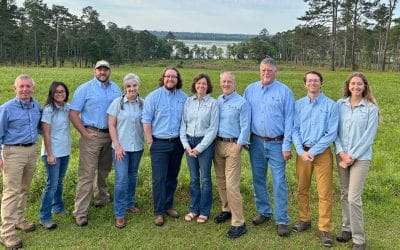
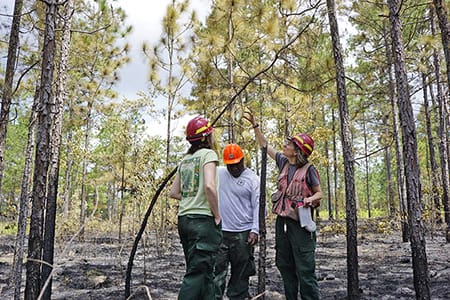
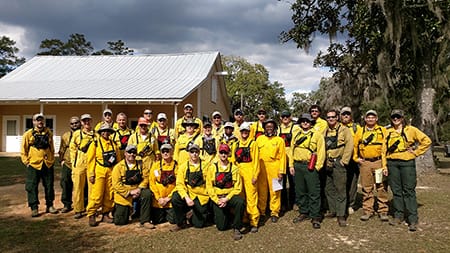
Tall Timbers provided support to the Florida Department of Environmental Protection’s Lake Jackson Aquatic Preserve, the Florida State Parks system and the Nature Conservancy to apply fire to improve the dry lakebed.
Prescribed fire is a step toward removing exotic, invasive plants such as Chinese tallow and reducing hardwood and shrub encroachment. It also promoted growth of native grasses and a clearing out of vegetative build up on the lakebed to help reestablish a sandy bottom necessary for breeding habitat for sunfish like largemouth bass.
It’s an effective, natural tool to manage lakeside habitats, said Caitlin Snyder with the Florida Department of Environmental Protection’s Lake Jackson Aquatic Preserve.
Prescribed fire on what is a mostly grass-covered lakebed reduces the threat of a wildfire to surrounding residents, Snyder said. The last reported fire on Jackson was in 2021 and the area burned last month hadn’t been burned in 22 years.
“I like to say Lake Jackson is shaped by flood and fire over time,” Snyder said. “What happens uphill goes downhill. Maintaining a proper buffer zone of 50 ft landward helps slow down runoff during storm events, filter out nutrients and sediments, and provide habitat for lake wildlife and pollinators.”