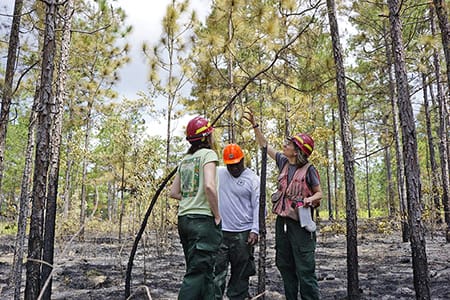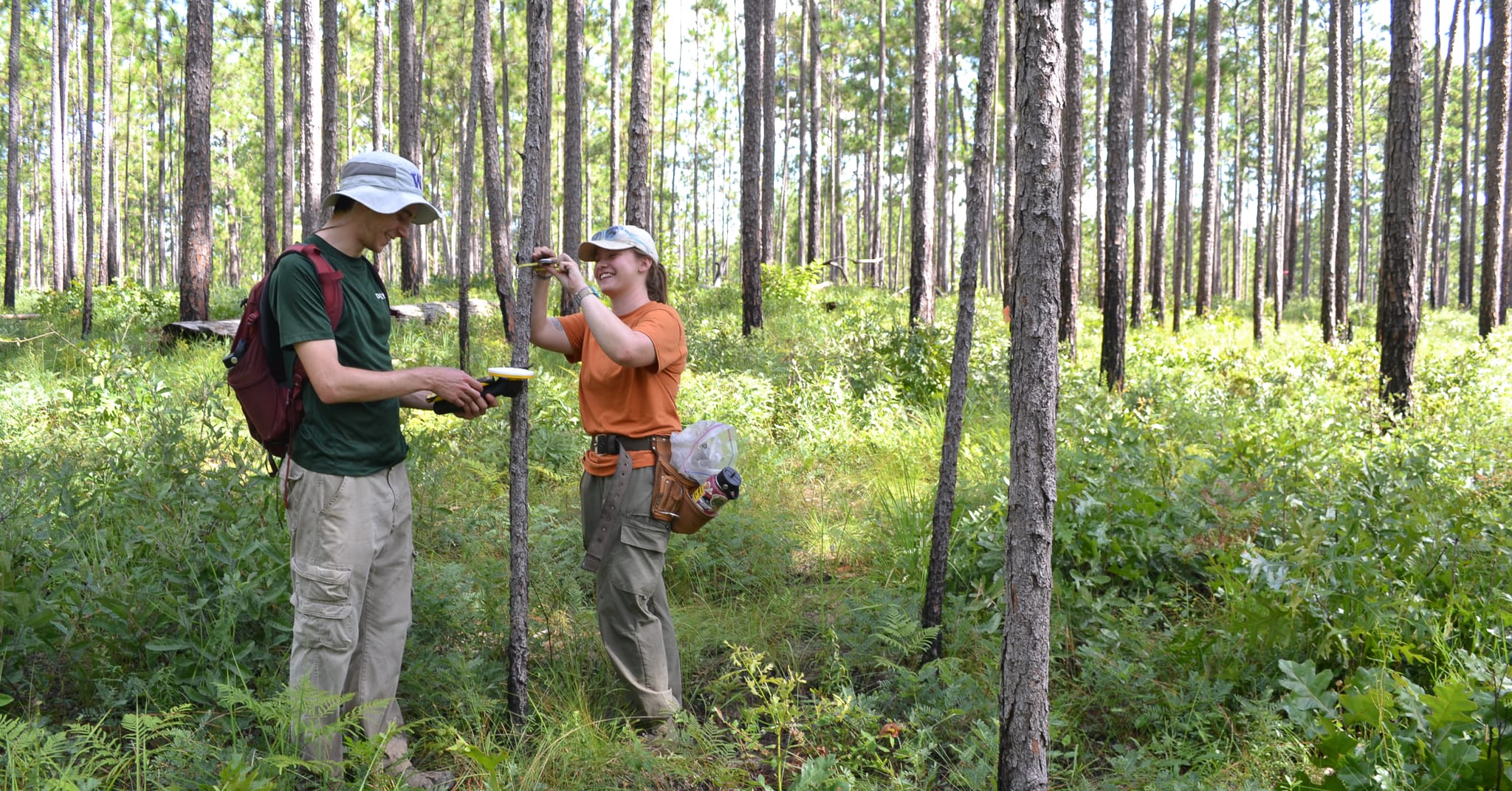
Pictured: Owen Klein and Josie Meyers conduct the 15th Wade Tract survey
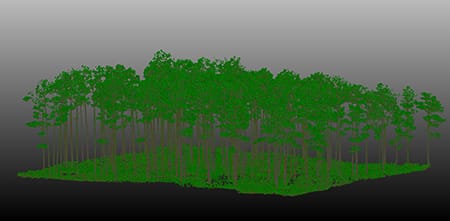
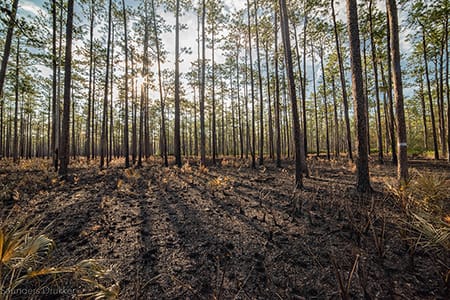
In 1979, Dr. William Platt, Fire Ecologist at Tall Timbers, set out to establish one of the most ambitious long-term ecological research projects in the country. The Wade Tract on Arcadia Plantation, one of a handful of old-growth longleaf pine communities remaining anywhere, had just become protected as the first conservation easement held by Tall Timbers. Using surveying equipment, Platt and assistants mapped every tree ≥2 cm diameter at breast height with 50 hectares (123 acres), a total of 10,839 trees. The goal was to remeasure all of the trees, and add new recruits, at three year intervals indefinitely into the future.
With a shift from annual winter burning to one to two-year fire return intervals including burns later in the season, the number of trees, almost all longleaf pine with a few fire-hardy hardwoods, increased over time, surpassing 20,000 by 2017. While the job has not gotten any easier, data from the project has been used to produced 33 peer-reviewed scientific articles that we know of, and papers in prep are using the data as well.
Dr. Platt has overseen the project throughout its history until this year, when the Tall Timbers Fire Ecology Lab picked up the reigns. Owen Klein and Josie Meyers were hired to conduct the 15th Wade Tract Census, marking the 46th year of the project. They instituted some changes, including using high-accuracy GPS units to map the trees and recruits, streamlining the use of the data in GIS applications. They mapped 18,722 trees in the sweltering months of June, July, and August – mission accomplished!
After doing a great deal of other field and lab work for the Fire Ecology Program, Owen is headed back to New Connecticut to work for his Alma Matter, taking over management of the Yale Myers Forest. Josie has been accepted to graduate school at the University of Maine to continue her studies in ecological forestry. There could not have been two better people for the job.