Tall Timbers scientists place emphasis on being available for media interviews that help our messages reach our target audiences.

Media roundup: Tall Timbers tapped for fire, forestry expertise
read more
Tall Timbers scientists place emphasis on being available for media interviews that help our messages reach our target audiences.
The burn planner can help fire practitioners set their ideal conditions for specified burn units and receive regular notifications whether their fire prescription is suitable.
Private landowners play a big role in the prescribed fire conducted annually in the Southeast. The Tall Timbers Prescribed Fire Academy was established to provide them with access to high-quality, continually improved training options. Thanks to funding from our state...
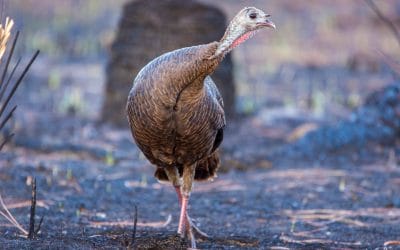
Wild turkeys, like a host of other ground-nesting birds in the Southeast, need regular prescribed fire to maintain their habitat. As many land managers start to head into the woods to light off fires that will inevitably help turkeys, bobwhite, and a number of other...
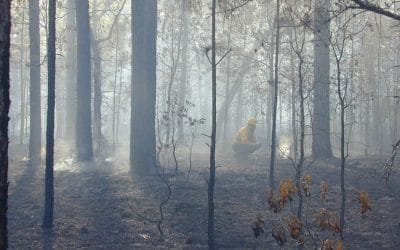
Now in its fourth year, a new Burning for Birds project phase kicked off in December 2025, and builds upon restoration work on thousands of acres utilizing prescribed fire to benefit fire-dependent birds recorded across multiple project sites in the Southeast.

Legislation passing through the Georgia statehouse is helping to strengthen and protect prescribed fire policies to benefit landowners using it as a habitat management tool.

Head to Tall Timbers for the 2026 Red Hills Fire & Nature Festival, a free event aimed at sharing the multiple benefits of prescribed fire and increasing familiarity and understanding of its role in protecting our communities and the lands we love.

Tall Timbers continues to provide input to Georgia forestry officials as they tweak prescribed fire permitting regulations to meet the needs of Albany area land managers and to work within new federal air quality standards that have the potential to restrict prescribed burning.
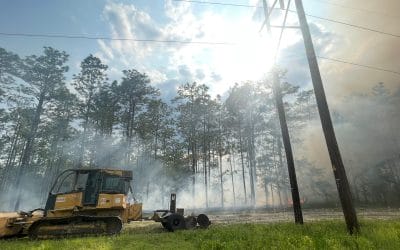
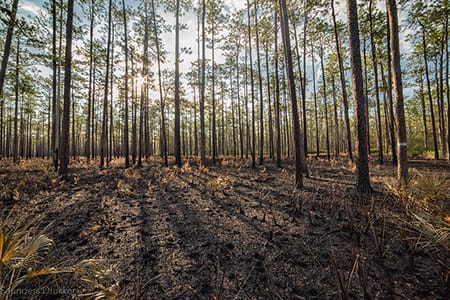
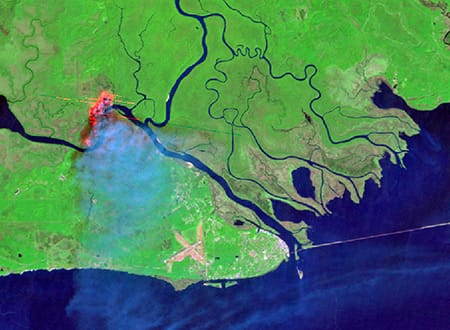
Bobwhite quail in the Apalachicola National Forest are likely to see an improvement in their habitat following a wildfire earlier in June. The “Quail Fire” burned about 350 acres during the first week of June in an area that is a focal point of the Upland Ecosystem...
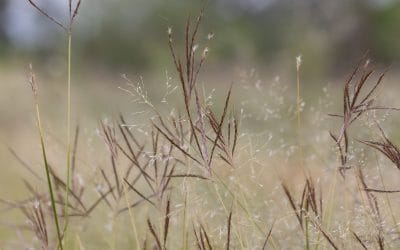
There is an emerging issue in the Red Hills of an invasive grass, pitted bluestem (Bothriochloa pertusa), that is being noticed by land managers more regularly. As with any invasive species, early detection and eradication is key to avoid monoculture-forming grasses...
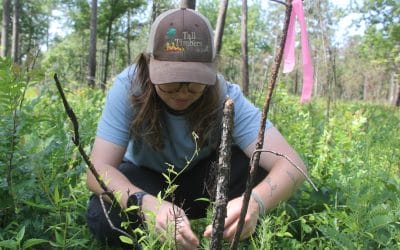
A multi-year study of shortleaf pines aims to fill in gaps in knowledge about the species’ life history and its unique fire-adapted traits.
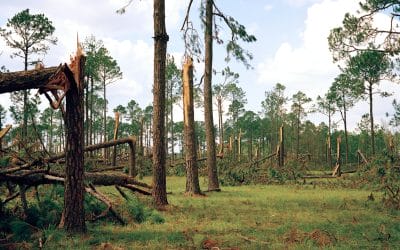
In recent years, severe storms have become increasingly more common. They have left many landowners with questions about how to clean up their property or help prevent the loss of trees.
The M-CORES program, which includes the proposed Suncoast Connector Toll Road in Jefferson County, passed through the Florida Legislature at breakneck speed with little review or analysis. Tall Timbers has a number of concerns given the potential for significant and wide spread impacts. These include fragmenting public and private conservation lands, robbing business from Main Street Monticello, impacting our rivers and other water resources, and making prescribed fire more difficult and costly.
Join us in asking the Jefferson County Board of County Commissioners to OPPOSE the Suncoast Connector toll road and its path through Jefferson County.
Take action now with our easy email form.

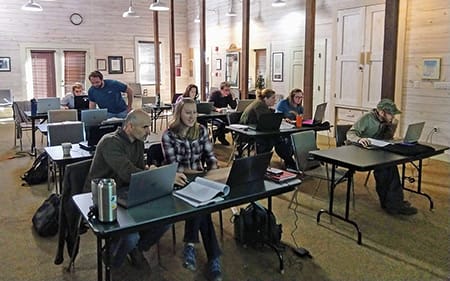
 Tall Timbers hosts the premier fire technology transfer organization—the Southern Fire Exchange. This JFSP funded effort helps connect research to management through webinars, workshops, and support of the Prescribed Fire Science Consortium.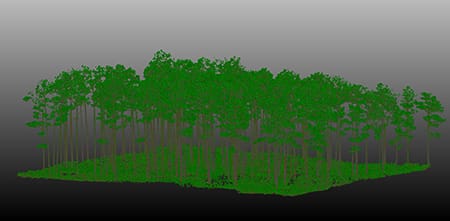
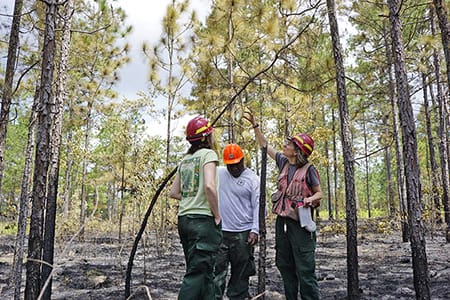

 Staff and researchers support Federal fire training by serving as a cadre for NWCG training courses, ranging from basic wildland fire to advanced fire effects.