Dwayne Elmore joining Tall Timbers to head Game Bird Program

Aug 15, 2023

Tall Timbers is proud to announce that Dwayne Elmore PhD., will be joining our team in September as our new Game Bird Program director.

The size and breadth of our Game Bird Program will benefit from the leadership skills Dwayne has honed over the past 17 years at Oklahoma State University.

As a professor, wildlife extension specialist and Bollenbach Chair in wildlife biology in the Department of Natural Resource Ecology and Management, Dwayne has built an award-winning applied research and extension program.

He has published nearly 100 research articles and books focused on the ecology of game birds —including quail, turkeys and prairie-chickens— habitat management, thermal ecology and prescribed fire.

Dwyane is highly respected nationally and brings a deep knowledge of game bird ecology and management.

Importantly, he uses prescribed fire and understands its value. But, perhaps most important, he has a genuine interest in helping people and agencies meet their wildlife goals.

Dwayne grew up in rural Tennessee and his wife Leslie, also a successful wildlife biologist, is from southwest Georgia. They have lived in Mississippi, Utah and Oklahoma and are looking forward to moving back to the Southeast.

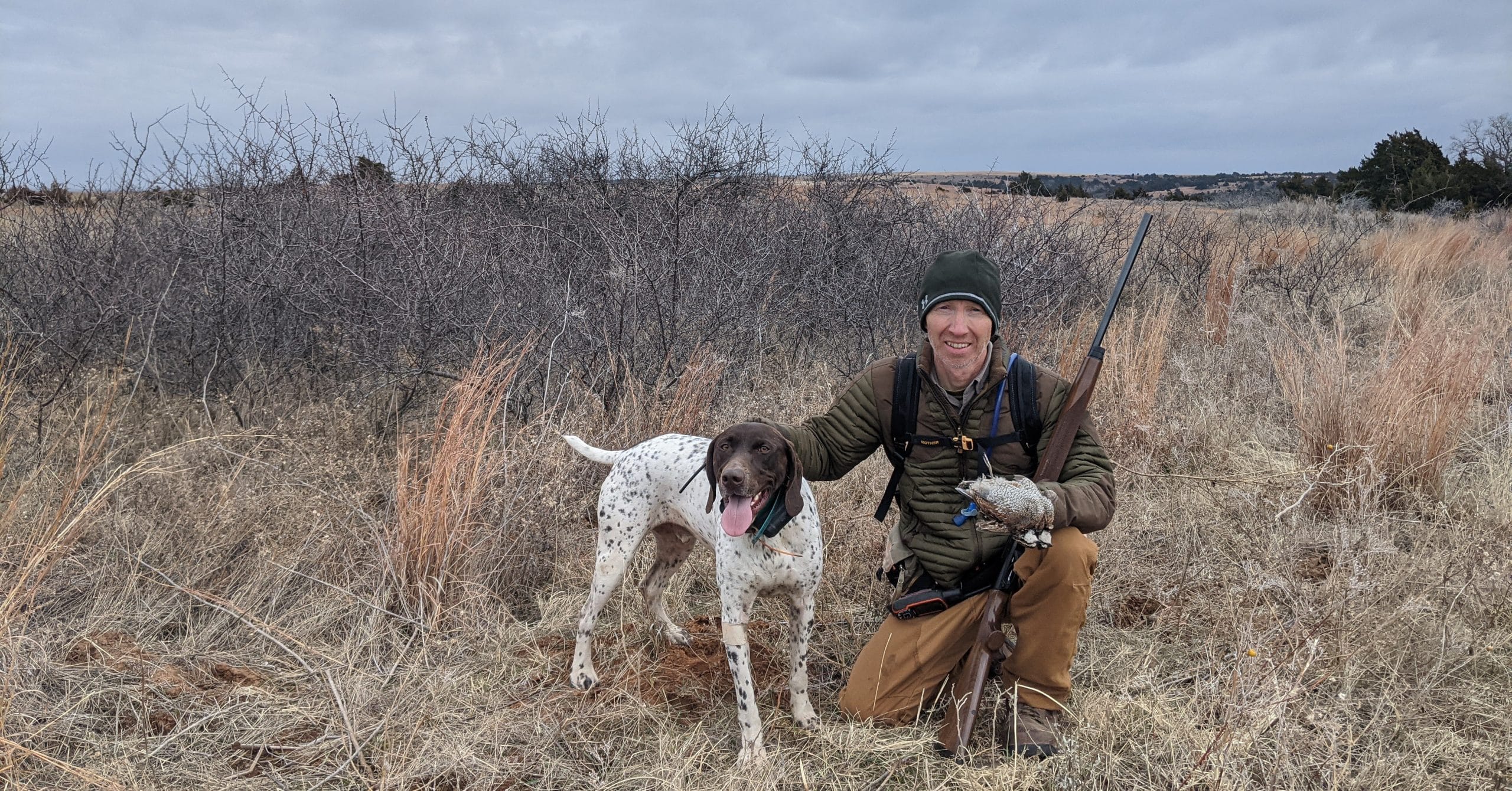
Dwayne and Leslie enjoy the outdoors including bird hunting, fishing, hiking and travel. We look forward to his successful future at Tall Timbers.


About the Author
Bill Palmer
Dr. Palmer is the President and Chief Executive Officer of Tall Timbers. His focus is to restore the “culture of fire” with science-based fire management and outreach to reduce wildfires, provide sustainable resources, and increase biodiversity and healthy ecosystems for people to enjoy.
  • Recent Articles
    Wildfire Emissions Prevention Act advancing in Congress

    The U.S. Senate unanimously passed the Wildfire Emissions Prevention Act (WEPA), a bipartisan bill to encourage the use of prescribed fire by reducing regulatory hurdles associated with recent changes to the Clean Air Act.

    Managing invasive Lespedeza

    Above: Nonnative, invasive Lespedeza species, bicolor lespedeza (Lespedeza bicolor), left, and sericea lespedeza (Lespedeza cuneata). The genus Lespedeza contains many native plant species distributed throughout the Southeastern U.S. These legumes all have trifoliate...

    Prescribed fire risk-pool insurance expanding to western states

    A pilot project to develop private-market solutions in the Southeast for prescribed fire liability insurance is now expanding to several western states. Those efforts have continued to evolve, demonstrating that innovative partnerships can help expand access to...

    Revisiting the Red Hills gopher tortoise population assessment

    The Tall Timbers Biological Monitoring Program is resurveying gopher tortoise populations in the Red Hills, revisiting properties where a similar survey was done in 2015. Thanks to a grant from the National Fish and Wildlife Foundation, biologists will return in early...

    Related Articles

    Managing invasive Lespedeza

    Managing invasive Lespedeza

    Above: Nonnative, invasive Lespedeza species, bicolor lespedeza (Lespedeza bicolor), left, and sericea lespedeza (Lespedeza cuneata). The genus Lespedeza contains many native plant species distributed throughout the Southeastern U.S. These legumes all have trifoliate...

    read more