There is no doubt that increased wildfire is a symptom of climate change, yet climate solutions are not the solution to wildfires. Decades of not allowing beneficial fire in our forests and grasslands have left us with overgrowth that fuels blazes that become catastrophic. This is the underlying condition that must be treated to address wildfires.
Hotter and drier conditions driven by a changing climate make it harder to stop modern wildfires. And we need to continue implementing policies, funding solutions, guiding personal choices, and more to slow or halt the changing climate for a wide variety of reasons that are in our interest —such as stronger storms, longer droughts, and rising seas.
I have spent my career researching fire across this country, and it’s so discouraging when I hear well-intended leaders focus only on climate solutions as their approach to addressing wildfires. I believe everyone who researches fire and natural areas would agree that relying on even the most wildly successful climate change solutions won’t address the impacts of wildfires and their smoke. Climate change solutions are needed, but they don’t address the underlying cause of our destructive wildfires.
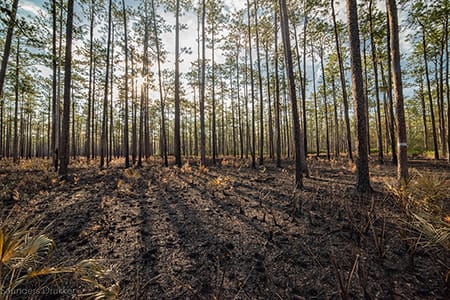
The prescription for wildfire risk reduction is more fire at the correct times and under the right conditions to reduce the unnatural buildup of flammable undergrowth and trees that have grown over the past century while well-meaning forestry agencies began busily put out all fires starting in the early 1900s. Regardless of the name you use —prescribed fire, controlled burning, indigenous fire, beneficial fire— returning frequent fire at lower intensities to the landscape is the only sustainable solution to reducing the risks created by wildfires.
The good news is that we already have great examples of people returning frequent fire to the landscapes they love across the country. It’s not a new idea, and it’s consistent with our other important goal of stabilizing the climate.
While all fires release carbon into the atmosphere, landscapes with frequent fire quickly recapture that carbon in the form of fresh new plant growth. Current research also shows that black carbon —the charred bits left after a fire— holds carbon 100 times longer than carbon stored in leaves and twigs on the forest floor that decomposes quickly. That means the soil of frequent fire forests and grasslands becomes a very stable and large carbon storage reservoir.
Beyond soil carbon benefits, returning beneficial fire to the land is also an essential strategy for conserving the biodiversity of our forest and grassland ecosystems. These ecosystems and the diversity of life within them are natural carbon sinks that are important sources of natural adaptation to climate change that does occur.
So, how do we safely return fire to the land? There is no single prescription for this problem. All beneficial fire is local. It’s a place-based action of stewarding the land.
On an individual level, it may mean tapping into indigenous knowledge, caring deeply about a declining species, having a passion for hunting game species that need fire-adapted habitat, freshening up grasslands for cattle and the wildlife that live alongside them, or reducing disease risk in family timber lands. The many benefits of fire can be a bit complex, but these are strengths that allow people with different motivations to arrive on common ground and reduce our overall wildfire risk.
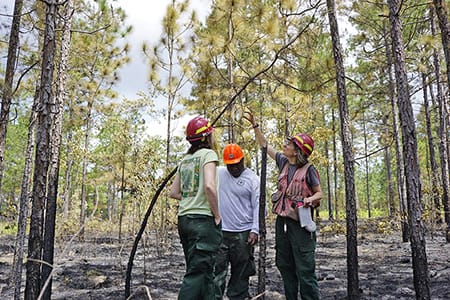
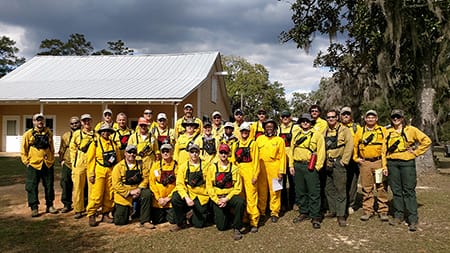
Collectively, we need to support diverse workforce development and training efforts to establish the skilled labor in the public and private sectors required to expand the pace and scale of prescribed fire use. We need to invest in research specific to prescribed fire implementation and equip those doing the hard work of applying prescribed fire with the best science and technology for our changing world. Lastly, we need to ensure that air quality standards don’t impede prescribed fire use and are updated to recognize that wildfires are overtaking the gains we have made in industrial air pollution.
When it comes to wildfire risk reduction, we don’t get to pick between climate solutions and forest management; luckily, they work together.