Several Southeast Asian countries have a similar problem with policy and land management as the southeastern U.S. had in past decades – fire-dependent savanna ecosystems are mistaken for forests that have been “degraded” by fire and should be restored through fire exclusion.
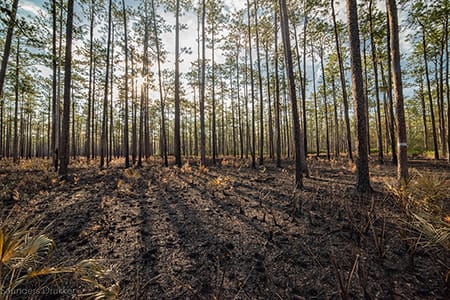
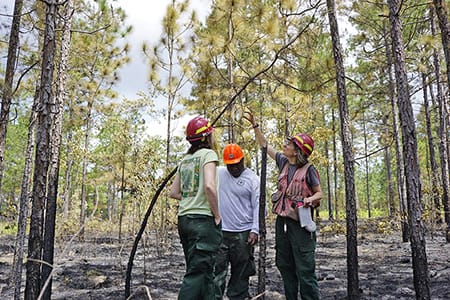
Two year’s ago Tall Timbers Fire Ecology Program Director Kevin Robertson had the opportunity to travel to Bidoup-Nui Ba National Park in Vietnam to learn about their fire-dependent pine savannas that closely resemble those in the southeastern U.S.

Work in Southeast Asia is focusing on returning fire culture to the region using the science developed in the U.S. to maintain fire-dependent savannas.
That trip led to his invitation to a meeting in Edinburgh, Scotland the following year to establish the Tropical East Asian Savanna Network. This group, composed of members from multiple western and Southeast Asian countries, is focused on recognizing savannas of the region for what they are – ancient, perennial grass-dominated communities that have always depended on frequent fire.
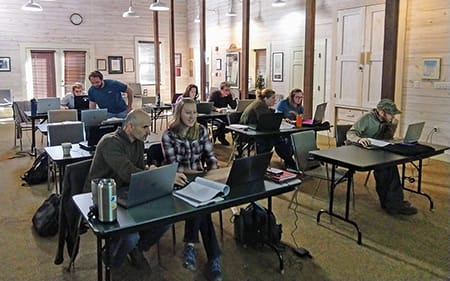
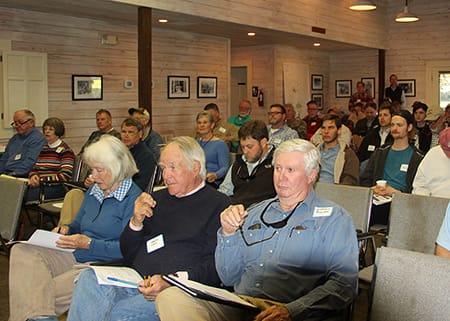
This past summer Robertson traveled to meet the group again at a conference of the Association of Tropical Biology and Conservation in the Xishuangbanna district of tropical China, very near the borders of Myanmar, Laos, and Vietnam. The group hosted a special session on savannas in the region to bring fire to an organization historically focused on fire-free tropical forests. Afterwards the group held a workshop focused on savanna disturbance ecology and took a multiple-day field trip to see and discuss the pine savannas and montane grasslands of the region.
Several papers stemming from the workshop are being prepared for publication, including one on the combined effects of fire and other natural disturbances in savanna ecosystems. The collaboration is helping to place southeastern U.S. pine savannas, as exemplified by Tall Timbers and other properties in the Red Hills, on the global map of fire-dependent humid savannas that occur on several continents.