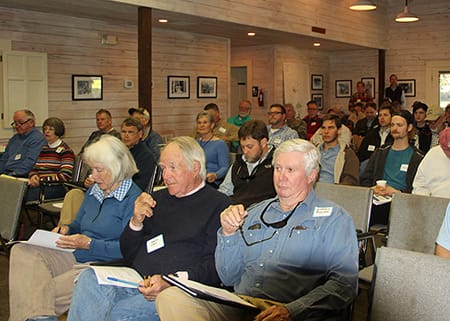
Strong Commitment to Public Trust and Conservation Excellence
One thing that unites us as a nation is land: Americans strongly support saving the open spaces they love. Since 1990, Tall Timbers has been doing just that for the people of the Red Hills region. Now Tall Timbers has been awarded its second land trust accreditation renewal—proving once again that, as part of a network of over 400 accredited land trusts across the nation, it is committed to professional excellence and to maintaining the public’s trust in its conservation work.
“Renewing our accreditation shows Tall Timbers’ ongoing commitment to permanent land conservation in the greater Red Hills region of North Florida and Southwest Georgia,” said Kevin McGorty, Land Conservancy Director. “Our conservation easements protect some of the last remnants of the great longleaf pine forests that once dominated the landscape. In addition, our easements protect rivers, lakes, canopy roads, and working lands that add distinctiveness to the rural character of the Red Hills.” Today, Tall Timbers holds over 142,000 acres under conservation easement, and it owns Tall Timbers Research Station and Dixie Plantation for fire ecology, wildlife and land management research and public outreach.
Old Growth Woods, a 1,108-acre property in Grady County, Georgia owned by June White, Barbara White, Jane White, and family is under conservation easement with Tall Timbers.
Tall Timbers provided extensive documentation and was subject to a comprehensive third-party evaluation prior to achieving this distinction. The Land Trust Accreditation Commission awarded renewed accreditation, signifying its confidence that Tall Timbers’ lands will be protected forever. Accredited land trusts now steward almost 20 million acres—the size of Denali, Yellowstone, Grand Canyon, Glacier, Everglades and Yosemite National Parks combined.
“It is exciting to recognize Tall Timbers’ continued commitment to national standards by renewing this national mark of distinction,” said Melissa Kalvestrand, executive director of the Commission. “Donors and partners can trust the more than 400 accredited land trusts across the country are united behind strong standards and have demonstrated sound finances, ethical conduct, responsible governance, and lasting stewardship.”
Tall Timbers is one of 1,363 land trusts across the United States according to the Land Trust Alliance’s most recent National Land Trust Census. A complete list of accredited land trusts and more information about the process and benefits can be found at www.landtrustaccreditation.org.
On February 11, 2020, the Suncoast Connector Toll Road Task Force held its fourth meeting, this time in Madison County. The focus of the Task Force meeting was on economic needs across the Task Force planning area, discussion of alternate corridor evaluation, and important natural, cultural, and historic resources to avoid as routes for the proposed toll road are evaluated.
Tall Timbers has followed the M-CORES process closely since its inception and remains concerned about the proposed toll road’s potential impacts to wildlife habitat, our region’s water resources, Jefferson County’s archaeological treasures, and Main Street communities like Monticello. It’s worth noting that Tall Timbers has consistently supported smart growth that enhances our economy, protects our environment and preserves community character. We supported the four-laning of US 319 and advocated for a “parkway” design that would be compatible with the road’s rural surrounding. We also supported the passage of Blueprint 2000 to address urban infrastructure needs in Leon County while protecting water quality and creating needed community parks.
Regarding the Suncoast Connector Toll Road, Tall Timbers believes that we should address the transportation needs in Citrus County in the southernmost portion of the study area. Citrus County is unlike the other seven counties in the study area: It is fast growing, rapidly urbanizing, and its population exceeds the combined population of the other seven counties in the study area.
North of Citrus County, the existing US 19 corridor is highly underutilized and is not in need of new tolled travel lanes. Much of the US 19 corridor itself is already susceptible to storm surge and sea level rise and placing costly new transportation infrastructure in this vulnerable area is imprudent. In addition, some Task Force members have noted that adding additional tolled travel lanes to US 19, so far west of Interstate 75, will have little impact relieving congestion on I-75. They note that the majority of trips on that route continue north toward Atlanta or east to Jacksonville. If additional capacity is desired in or near the Suncoast Connector planning area, it should be built well east of the vulnerable Big Bend region, in closer proximity to Interstate 75.
The most important upcoming event related to M-CORES is the fifth Task Force meeting, which will be held on March 24 in Jefferson County. This will be the only Task Force meeting in Jefferson County and thus the best opportunity for the Task Force to hear your voice! The meeting will be held at the Monticello Church of the Nazarene from 10:00 AM until 4:00 PM at 1590 North Jefferson Street, Monticello, Florida. Public comments will begin at 4:00 PM and we encourage you to arrive early to get a seat and let your voice be heard.
Also, if you have not already done so, we encourage you to join the nearly 1,000 concerned citizens who have signed up to receive periodic updates from Tall Timbers about this project.
For additional information, contact Red Hills Planning Coordinator Neil Fleckenstein or Tall Timbers CEO/President Bill Palmer.
“Take your toll road away from Monticello. Far away.” So begins local writer Merry Ann Frisby’s op-ed in the October 25, 2019 edition of the Tallahassee Democrat. (PDF OF THE ARTICLE). I won’t go into detail describing the author’s op-ed as it would be an injustice to her wonderful prose. Suffice to say she captures many of Tall Timbers’ concerns regarding the proposed toll road’s potential impacts to wildlife habitat, our regions precious water resources, Jefferson County’s archaeological treasures, and Main Street communities like Monticello.
If you have not heard about the Suncoast Connector toll road, it is part of a proposal hastily passed by the Florida Legislature earlier this year. The Multi-Use Corridors of Regional Economic Significance Program (M-CORES) authorizes the design and construction of three new toll road corridors through rural Florida, including the 150+ mile Suncoast Connector, extending from Citrus County through Jefferson County. The proposed Suncoast Connector toll road corridor would provide a direct link between the Red Hills and the Florida Turnpike in Central Florida. The proposal includes planning for the provision of water, sewer, and other infrastructure specifically designed to encourage development in rural areas.
In order to respond to this challenge, Tall Timbers has raised funds from generous and concerned Red Hills landowners, hired a consulting firm to help Tall Timbers’ voice be heard on this issue, met with dozens of key leaders and Toll Road Task Force members, identified key issues we need to study, and engaged in broad-based public outreach activities.
There’s still plenty of work to do. In the coming months we will continue to meet with key leaders, stakeholders, and Task Force members; grow our toll road outreach campaign; commission respected organizations to study important issues related to toll road impacts; and expand partnerships with organizations concerned about this damaging program.
Tall Timbers knows that Jefferson County and other rural communities have infrastructure and economic development needs. We believe what’s needed however is not the sledgehammer of a toll road corridor but strategic assessment and investment in regional and community planning to identify communities’ desired future visions, critical infrastructure and other community development needs, and opportunities for local and regional natural resource conservation.
The focus of these efforts should be on smart growth that protects our environment, enhances our local economies, and preserves rural community character throughout the Big Bend.
Tall Timbers needs your help. Visit our Suncoast Connector webpage to learn about this proposal and to send an email opposing the toll road to the Florida Department of Transportation.
For additional information, contact Red Hills Planning Coordinator Neil Fleckenstein or Tall Timbers CEO/President Bill Palmer.
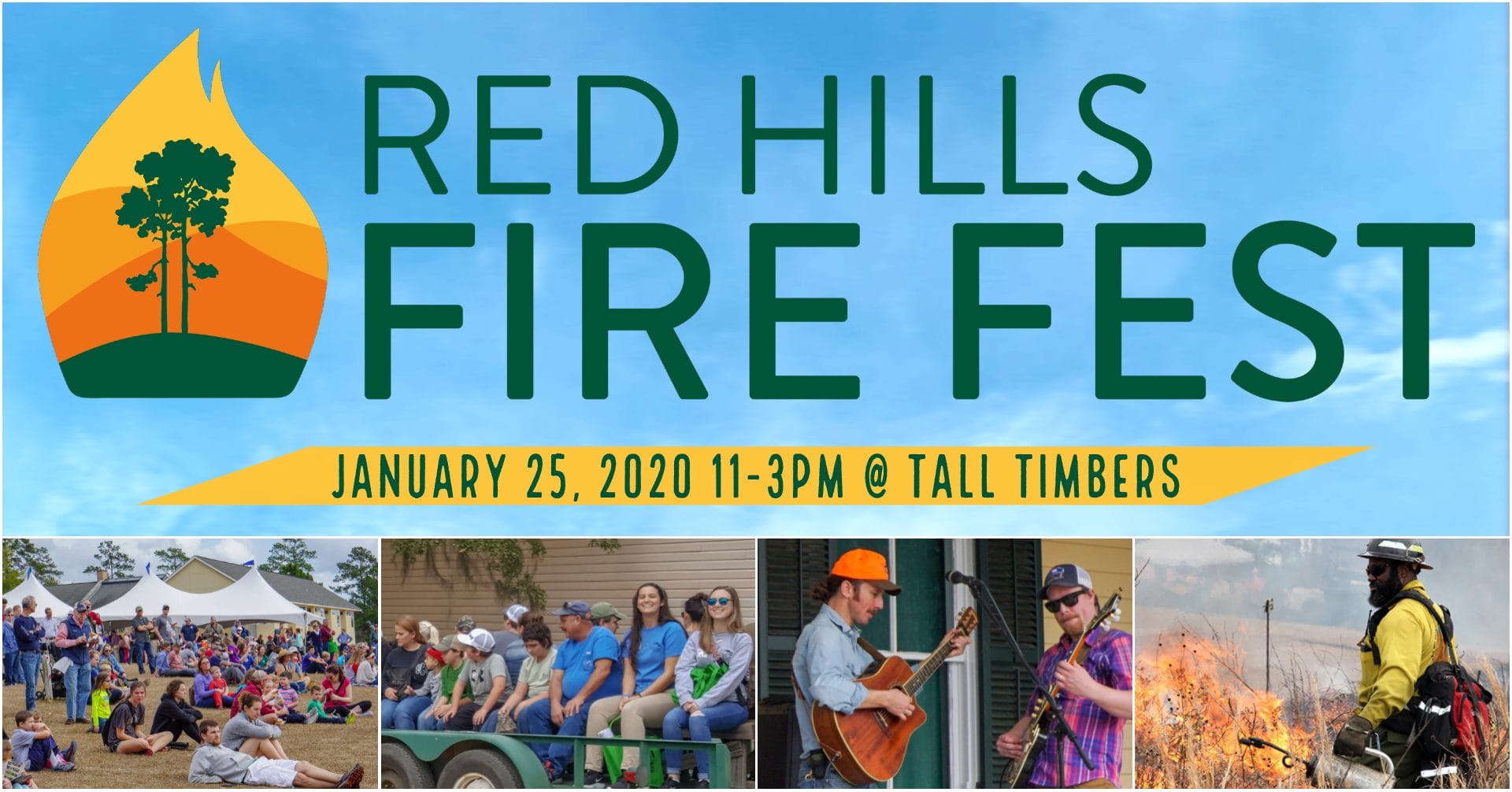
Mark your calendars for the third Red Hills Fire Festival on Saturday, January 25, 2020, hosted at Tall Timbers from 11:00 to 3:00 PM. Fire Festival is one of our general public prescribed fire outreach initiatives to increase familiarity with fire and understanding of the ecological benefits. Research has linked both ecological understanding and familiarity with fire as important factors for shaping approval of prescribed fire.
We target new audiences by making it a fun and free festival. It’s an all-ages good time with live music, prescribed fire demos, live wildlife, wagon ride tours of healthy forests, hands-on fire equipment, kids’ activities, and food vendors. Fire Festival happens through the collaborative effort of over 30 organizations pulling together around the central understanding that fire is a critical part of land stewardship in our region.
After launching the Red Hills Fire Festival in 2017 and 2018, our planning team challenged other communities in the North Florida Prescribed Fire Council region to host their own festival in 2019, as the Red Hills version transitioned to a biennial event. Partners in the Gainesville, Florida area enthusiastically accepted and replicated the fire festival formula at the University of Florida Austin Cary Forest in January 2019 with great success.
Planning for the January 25, 2020 Red Hills Fire Festival is underway and received a great surprise in June, when Cliff Leonard of Hook Line & Sinker Graphic Design in Tallahassee offered to donate his services to craft a logo for the event. Cliff is a big fan of prescribed fire and is always looking for opportunities to help burn. We think his connection to fire shows in this fantastic new logo that will help us continue to build brand recognition for the festival and our mission to increase and sustain public approval for prescribed fire.
The land trust accreditation program recognizes land conservation organizations that meet national quality standards for protecting important natural places and working lands forever. Tall Timbers is pleased to announce it is applying for renewal of accreditation. A public comment period is now open.
The Land Trust Accreditation Commission, an independent program of the Land Trust Alliance, conducts an extensive review of each applicant’s policies and programs. As one of the leading land trusts in the Southeast, Tall Timbers has conserved over 136,000 acres of land in North Florida and South Georgia. The organization became accredited in 2009 and renewed its accreditation in 2014. This second renewal of accreditation will ensure that the public can continue to trust Tall Timbers’ work in protecting the greater Red Hills region.
The Commission invites public input and accepts signed, written comments on pending applications. Comments must relate to how Tall Timbers complies with national quality standards. These standards address the ethical and technical operation of a land trust. For the full list of standards see http://www.landtrustaccreditation.org/help-and-resources/indicator-practices.
To learn more about the accreditation program and to submit a comment, visit www.landtrustaccreditation.org, or email your comment to info@landtrustaccreditation.org. Comments may also be faxed or mailed to the Land Trust Accreditation Commission, Attn: Public Comments: (fax) 518-587-3183; (mail) 36 Phila Street, Suite 2, Saratoga Springs, NY 12866.
Comments on Tall Timbers’ application will be most useful by September 14, 2019.
The M-CORES program, which includes the proposed Suncoast Connector Toll Road in Jefferson County, passed through the Florida Legislature at breakneck speed with little review or analysis. Tall Timbers has a number of concerns given the potential for significant and wide spread impacts. These include fragmenting public and private conservation lands, robbing business from Main Street Monticello, impacting our rivers and other water resources, and making prescribed fire more difficult and costly.
Join us in asking the Jefferson County Board of County Commissioners to OPPOSE the Suncoast Connector toll road and its path through Jefferson County.
Take action now with our easy email form.
Send an email to all five Jefferson County Board of County Commissioners with one click!
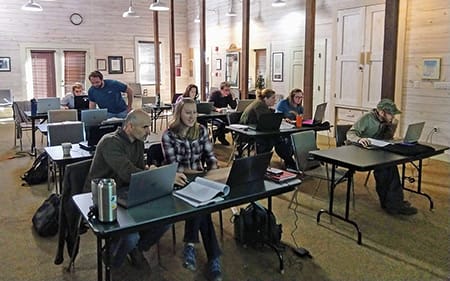
Burn prioritization modeling seminars and fire modeling tools are supported by Wildland Fire Science to train managers in the important planning stages of prescribed fires.
Educating and guiding the next generation of fire researchers and managers is a key goal of Wildland Fire Science and a resource for testing new ideas in fire research.
Tall Timbers hosts the premier fire technology transfer organization—the Southern Fire Exchange. This JFSP funded effort helps connect research to management through webinars, workshops, and support of the Prescribed Fire Science Consortium.
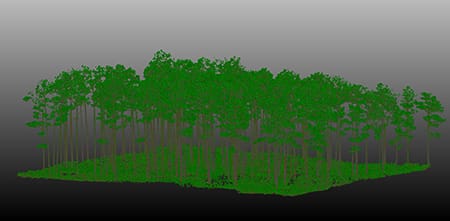
Working with partners in the Prescribed Fire Science Consortium, the program is building nexgen 3-D fuel beds using terrestrial LiDAR and novel sampling techniques to power new fire behavior models for prescribed fire managers. This work links to Tall Timbers work in wildlife habitat usage and ecological forestry.
The Longleaf Legacy landscape prescribed fire burn team arm of Wildland Fire Science works directly with landowners and partners to effectively put fire on the ground and promote prescribed fire throughout the region.
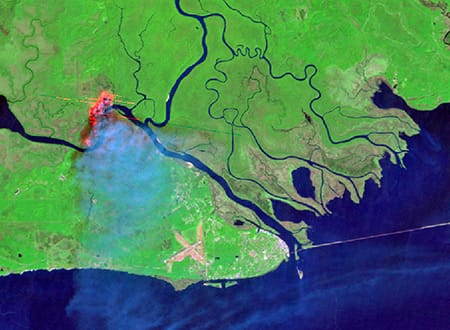
Tall Timbers is leading an effort to map fire regimes at the landscape scale. Staff work with numerous agencies to evaluate fire records and satellite imagery to build this critical conservation database. https://skfb.ly/6DqOY
Tall Timbers hosts the Prescribed Fire Science Consortium, a national network of researchers and managers who promote integrated research and management to advance next generation tools for fire practitioners. https://arcg.is/1DSjDT
We are linking physics and field observations to understand the fluid dynamics of fire behavior surface fire regimes. Our work combines field observations using advanced thermal imaging techniques, laboratory studies, and coupled fire-atmospheric modeling to help managers improve outcomes of managed fire regimes.
Selected Publications authored by Wildland Fire Science staff.
Staff and researchers support Federal fire training by serving as a cadre for NWCG training courses, ranging from basic wildland fire to advanced fire effects.
(PFTC) specializes in training fire fighters the principles and techniques of prescribed fire through practical hands-on experience. https://www.fws.gov/fire/pftc/
Private land owners are the largest source of prescribed fire in the country. These land owners and the culture of fire that was maintained by them during decades of suppression are a part of why Tall Timbers is a world-wide center for prescribed fire science. Workshops and fire training are a critical focus of the Longleaf Legacy Landscape Burn Team and our support of the Georgia Forestry Commission Prescribed Fire Center in Marion County.
The conserved lands of the Greater Red Hills region are found on working, income-producing properties that support agriculture, forestry, and recreational hunting. These properties contribute $272 million annually to local economies and support 2,300 jobs. [link to Planning & Advocacy section] The landowners’ strong stewardship ethic preserves their working lands while replenishing drinking water supplies, protecting water quality, and providing wildlife habitat for dozens of rare and endangered species. Tall Timbers’ conservation easements on these working properties encourage landowners to retain their traditional livelihood by keeping farms in family ownership.
Home to world-class wild quail populations, the Greater Red Hills region contains the largest concentration of gamebird preserves in the United States. These preserves also support the largest community of Red-cockaded woodpeckers on private lands. Indicators of high quality habitat found here include the gopher tortoise, Bachman’s sparrow, fox squirrel, and many amphibians. Tall Timbers’ conservation easements identify and protect the critical habitats of these species.
The region also boasts outstanding aquatic resources. Large river systems, like the Flint/Apalachicola, Ochlockonee, and Aucilla, flow from Georgia and feed into the Gulf of Mexico to support some of the world’s most productive estuaries. Large disappearing sinkhole lakes, like Iamonia, Miccosukee, and Jackson, provide habitat for an array of aquatic species and migratory birds. Tall Timbers’ conservation easements protect these vital watersheds and wetlands that are the lifeblood for the ecological health of the region.
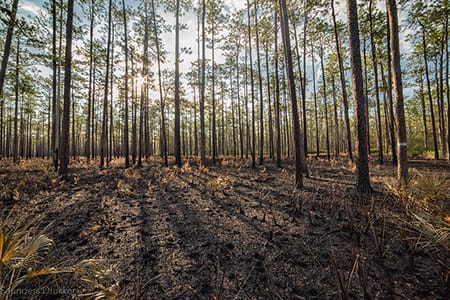
Once dominated by longleaf pine, our pine woodlands support abundant wildlife and local economies. These forests need prescribed fire to stay healthy. Herbert L. Stoddard and his associates Ed and Roy Komarek were pioneers in this emerging scientific field during the mid-20th century. Tall Timbers continues that legacy with applied research on prescribed fire and land management. Today, there is a tremendous need to expand prescribed fire use beyond the Red Hills to ensure ecosystem health and reduce wildfire risk. Additionally, Tall Timbers uses conservation easements to permanently protect private woodlands while balancing the need for economic return from selective timbering.