The Stoddard Bird Lab at Tall Timbers welcomed its newest intern last week. She’s a bit young as interns go (only 2 years old), but we’re hoping she has a nose for success.
Lilly, a black lab, was donated to the Stoddard lab by Mr. Greg Oyer, the principle dog trainer at Beechwood Plantation. She’s been yard trained at this point and seems very eager to please, and the next several months will be spent training her to find nests of rare ground-nesting birds such as Bachman’s and Grasshopper Sparrows.
Biologists have been utilizing the unique olfactory capabilities of trained detection dogs to perform a number of research and conservation tasks in recent years. A black lab mix in the state of Washington now spends the better part of each day riding around Peugeot Sound in a boat with its nose cast into the air. The dog is trained to locate scat left behind by killer whales, which are listed as endangered in the region. It turns out whale poop contains a treasure trove of information about the health and diet of whales in the area, and the dog has proven essential in finding the stuff.
Sparrow nests are some of the most difficult nests in the world to find because they blend in so well with ground cover vegetation. The adults also are extremely suspicious when large animals (including biologists) come into their territories and will do everything in the world to divert attention away from the nest. Unlike quail, the sparrows also are too small for use of radio transmitters for extended periods.
This is the first time such an approach has been taken with southeastern pine-grassland sparrows, but chances of success seem high. Trained dogs have been used to find rare plants, tortoises, snakes, fire ants, and a host of other rare species. We’re confident Lilly will point to the way toward additional areas where a refined nose will be helpful.
You may also have noticed a new phrase in this Bird Note: the Stoddard Bird Lab. The lab has been known as the Vertebrate Ecology Program for the past decade — a nine-syllable vagary that has little connection with the long history of bird work conducted at Tall Timbers. Henry Beadel, the founder and chief benefactor of Tall Timbers, collected bird data on Gannet Pond beginning in 1936 and mentions study of songbirds in his will. The first official research program ever sponsored by Tall Timbers was the famous tower-kill study launched by Herbert Stoddard in an effort to understand bird migration in the region. The name change makes the point that bird research has a special place at Tall Timbers and also pays tribute to the greatest biologist to ever roam the halls of the station.
The Fish and Wildlife Service (FWS) received a petition by interested parties to request the gopher tortoise be considered for federal listing throughout its range. Currently, the gopher tortoise is listed as federally threatened in the western portion of its range, which includes eastern Louisiana, Mississippi, and west of the Mobile and Tombigbee Rivers in Alabama. In response to the petition the FWS conducted a review that detailed the causes for population declines. The FWS determined there is enough evidence of potential threats to the population to list the gopher tortoise as federally threatened across the entire range. FWS however, has deferred listing at this time due to budget constraints and a current backlog of species petitions. The gopher tortoise will be listed as a candidate species by the Endangered Species Act (ESA) and although no federal protection (state laws still apply) is available to the tortoise under this listing, the FWS encourages voluntary cooperative conservation efforts for the tortoise since it does warrant future protection under the ESA.
At this time, the gopher tortoise status will be reviewed annually and the FWS will begin working with states, other federal agencies, private landowners, and NGOs to conserve the species. Many state and federal officials are apprehensive about federally listing the gopher tortoise and are very aware of the extensive bureaucratic processes and expenses associated with a federal listing. Considering that approximately 80% of gopher tortoise habitat is on private lands, there is strong incentive to try other alternatives to federal listing of the gopher tortoise. Therefore, federal incentive programs have been initiated to reward private landowners that conduct land management activities that benefit gopher tortoises. Assistance is available to develop and implement management plans for the use of prescribed fire, timber thinning, controlling exotics, reestablishing longleaf pine, and native groundcover and warm season grasses. Since the gopher tortoise is in a holding pattern, now is the time to be proactive in preventing the federal listing of the gopher tortoise, which could have broad implications for the Red Hills and Albany plantation regions.
Throughout the Red Hills and Albany plantation regions, quail management benefits a whole suite of other fire-dependent wildlife, including the gopher tortoise. Frequent prescribed fires, open pine timber management, nest predator management, and overall good land conservation have helped maintain the gopher tortoise populations. We need to act to keep the gopher tortoise from being listed for several reasons, including conducting sound conservation but also avoiding burdensome regulation. Therefore, Tall Timbers is taking an active role as a liaison between our membership and wildlife officials to ensure that landowners can continue to manage their land for quail without potential future regulations influencing management actions. At the same time, this is an opportunity for landowners to be rewarded for conducting sound long-term conservation sustaining the tortoise population. To do so, Tall Timbers is considering developing voluntary programs in collaboration with landowners and the FWS where landowners can seek protection from future regulation if the tortoise is ultimately listed.
The next step includes hosting meetings with landowners and managers to consider options available and help chart the best conservation solutions. Other important steps include monitoring the population to find out its status and population trends. By doing inventory work and continuing good land management, the quail plantations, as a group of private landowners, may be able to manage their gopher tortoise populations on their own regardless of how the species may be listed in the remainder of its range. Tall Timbers is also investigating how potential Federal program monies may be available for landowners to continue to do the things they already do, such as prescribed burning and hardwood control.
The goal is to keep the tortoise from federal listed status. By working together and realizing that all involved parties bring opportunities and knowledge of the issues, landowners can continue conducting dedicated land management without excessive oversight and ensure the gopher tortoise will continue to thrive in our region.
If you are interested in learning more about gopher tortoise programs available in your area you can contact the FWS, the state, or Tall Timbers.
Almost 500 folks attended Tall Timbers Piney Woods Festival on Sunday, October 14 on a warm, sunny, fall day. The biennial event began at 12 noon, but about a dozen early birds came for a walk through the piney woods with Tall Timbers ornithologist, Jim Cox, earlier in the day.
Jim Cox, at left, leads a group of bird watchers on the Henry Stevenson Bird Trail.
Festival activities included wagon rides through the pine forest, tours of the historic Beadel House and Jones Family Tenant Farm, natural history exhibits, and a prescribed burn demonstration. WCTV’s senior meteorologist Mike McCall talked about fire and weather, and there was a Florida Forest Service Fire Helicopter to view. Many hiked on the Henry Stevenson Bird Trail to the Gannet Pond Birdwatch. At 1:30 p.m. there was a dedication of the Birdwatch, which has been restored in honor of Betty Komarek, co-founder of Birdsong Nature Center. Betty Komarek originally designed the bird window in 1964.
Children’s activities were ongoing. Children learned to make a terrarium and leaf bouquet centerpiece. The Florida Fish & Wildlife Conservation Commission brought their youth archery range, and there was a Florida Forest Service helicopter to view.
The new history of Tall Timbers, Legacy of a Red Hills Plantation: Tall Timbers Research Station & Land Conservancy was available for sale, with author Robert L. Crawford there to sign the book. The book has been nominated by the University Press of Florida for the American Society for Environmental History George Perkins Marsh Prize.
At 2:00 p.m. the Pickin’ in the Pines concert began with the stage overlooking scenic Lake Iamonia. One of Tallahassee’s most beautiful voices, Velma Frye sang; the Hot Tamale Duo will gave lively performancs; the Katie Geringer Trio played Irish dance tunes; and there were ballads from Frank Lindamood.The concert ended with Eclectic Acoustic playing a wonderful mix of traditional tunes.
A new addition to the event were food trucks. Five of Tallahassee favorite food trucks provided a variety of fare. But many visitors packed picnics. Gift certifcates were given to the best picnic and best table, with judging by Tall Timbers alumni and foodie Kathy Marois. We greatly appreciate the Black Fig (in Tallahassee) and Relish & Dash (in Thomasville) for donating the gift certicates for our winners.
We thank all our volunteers who made this event possible. And also thank Capital City Bank for the loan of their pop-up tents. They were much appreciated during the warm, sunny afternoon. roceeds from the event benefited the Wade Tract Preserve and programs at Tall Timbers.
Piney Woods Festival Album
Florida Forest Service Helicopter at the prescribed burn demonstration.
Kid's activities included archery provided by the Florida Fish & Wildlife Conservation Commission.
At left, Kathleen Brady, Director of Birdsong Nature Center and Lane Green, Tall Timbers Executive Director, at the dedication of the Gannet Pond Birdwatch in honor of Betty Komarek.
Tall Timbers land manager, Eric Staller, interprets on a wagon tour.
At left, the Hot Tomale Duo; at right, Velma Frye.
Katie Geringer Trio
Best picnic "table".
Winning picnic.
Research Director and MC Bill Palmer, and picnic judge Kathy Marois announcing winners.
Judge Kathy Marois, center, with Best Picnic Fare winners.
Friends, family, volunteers and staff enjoy the concert and their picnic at the end of the day.
The newly published history of Tall Timbers makes a great holiday gift
The Legacy of a Red Hills Hunting Plantation: Tall Timbers Research Station & Land Conservancy by Robert L. Crawford and William R. Brueckheimer
The Legacy of a Red Hills Hunting Plantation traces Henry Beadel’s evolution from sportsman and naturalist to conservationist. Beadel was Tall Timbers Research Station's benefactor. Complemented by a wealth of previously unpublished, rare vintage photographs, it follows the transformation of the plantation into what its founders envisioned–a long-term plot study station, independent of government or academic funding and control.
The major author, Robert L. Crawford will be signing the book at the Thomas County Library, Thomasville, GA – Sunday, Dec. 9 from 3:00 – 4:30 p.m.
The book can also be ordered now from the publisher, University Press of Florida or from your favorite online bookseller.
Book Overview
"A fascinating history of the ecological consciousness and developing science of Florida’s Red Hills region."–Sara Warner, author of Down to the Waterline
"No other work captures the range of scientific studies so vigorously pursued over the past century from quail biology to fire ecology to ecosystem management."–Frederick R. Davis, author of The Man Who Saved Sea Turtles
The Red Hills region is an idyllic setting filled with longleaf pines that stretches from Tallahassee, Florida, to Thomasville, Georgia. At its heart lies Tall Timbers, a former hunting plantation.
In 1919, sportsman Henry L. Beadel purchased the Red Hills plantation to be used for quail hunting. As was the tradition, he conducted prescribed burnings after every hunting season in order to clear out the thick brush to make it more appealing to the nesting birds. After the U.S. Forest Service outlawed the practice in the 1920s, condemning it as harmful for the forest and its wildlife, the quail population diminished dramatically.
Astonished by this loss and encouraged by his naturalist friend Herbert L. Stoddard, Beadel set his sights on conserving the land in order to study the effects of prescribed burnings on wildlife. Upon his death in 1958, Beadel donated the entire Tall Timbers estate to be used as an ecological research station.
Robert L. Crawford was formerly a biologist on the Tall Timbers staff and has contributed many articles to The Auk, The Wilson Bulletin, The Oriole and other ornithological journals. William R. Brueckheimer was the author of Leon County Hunting Plantations: An Historical and Architectural Survey. After retiring as chair of the geography department at Florida State University, he was a Tall Timbers Beadel Fellow from 1973 to 1984.
Details: 360 pages | 10 x 12 Cloth: $34.95 plus tax and shipping. ISBN 13: 978-0-8130-4148-3 Pubdate: 10/21/2012
Under the tent and in the field at Cherokee Plantation — almost 250 attended Fall Field Day
On Friday, Oct. 26, Cherokee plantation was the host of the 2012 Tall Timbers Fall Field Day during a perfect fall morning in the Red Hills of north Florida. During registration, almost 250 attendees checked out our sponsors' exhibits, and old friends mingled. A notable exhibit was by the Orianne Society, which displayed an Eastern Indigo Snake not often seen in the wild. Using the Indigo Snake as their flagship species, they work to conserve rare reptiles.
Under the tent Dr. Steve Conlin, the president of Gem Land Company, owners of the property, discussed the history and management goals of this premiere 7000-acre quail hunting property in northeastern Leon County that has a rich tradition dating back to the early 1900s. Cherokee, was originally part of Foshalee Plantation, when purchased by the Ingalls and Ireland families in 1944. In the mid-1960s the families mutually agreed to divide hunting operations creating Cherokee Plantation. Both Herbert Stoddard and later Walter Rosene, the fathers of quail management, worked and consulted with managers of Cherokee. Today's land manager, John Fuller, ensures that through careful management, Cherokee remains one of the top quail hunting properties in the Red Hills, along with excellent dove, duck and turkey hunting.
Also under the tent, Clay Sisson, Director of the Albany Area Quail Management program and Bill Palmer, Director of Research for Tall Timbers, discussed the outlook for the 2012/2013 quail hunting season — after covey call count surveys — it looks good! (See Quail Hatch article in this E-News edition.) Finally, Chris Worrell, Forestry Operations Administrator with the Florida Forest Service, discussed issues regarding prescribed fire for land managers.
On the field tour, Cherokee Land Manager John Fuller discussed a variety of management topics, adding a bit of wit and wisdom from his 35 years of experience working with the property owners. Topics included management of Cherokee's duck pond, farming operation, quail management, the impact of Foshalee Slough, and it's dove fields. During one of the stops, Dr. Eric Altom, with Eukanuba, discussed the importance of good health care and the right nutrition for bird dog performance.
The field day ended with a tasty lunch sponsored by Eukanuba. And finally, the winner of the raffle was drawn; the prize was a gift certificate from South Georgia Outdoors. We are very grateful to the Orvis Company, our presenting sponsor for the event and to our other sponsors for their support of Tall Timbers Fall Field Day. Our sponsors included: Orvis, Eukanuba, Plantation Security, Ag-Pro Boston, South Georgia Outdoors, Lister's Outdoor World, Jager Pro, Flowers Foods, Southern Forestry Realty, Wildlife Trends, American Wildlife Enterprises, Ward 1 Guns, LLC, Golden Service & Pine Straw, Bartlett Tree Experts and Covey Rise. We want to especially thank, Archbold Medical Center for providing the coffee to start our day.
All in all it was another beautiful day in the woods at one of the premier private shooting plantations in the Red Hills. On behalf of everyone involved, we thank the extended Ingalls family for sharing their beautiful property with such a large group of interested Tall Timbers members.
At left, Executive Director Lane Green, greets the crowd under the tent. This will be Lane's last Fall Field Day as the director of Tall Timbers, as he will be retiring at the end of the year. At right, Tall Timbers Research Director Bill Palmer in the field at Cherokee. Bill will be leading Tall Timbers in the future as the President and CEO of the organization.
At right, on one of the field stops, land manager, John Fuller, discusses management on Cherokee Plantation.
At left, Chris Worrell with the Florida Forest Service discusses the importance of smoke management for prescribed burners, and at right, Dr. Eric Altom with Eukanuba discusses the importance of good nutrition and health care for hunting dogs.
Fall Field Day attendees at field stop.
Left to right, Ellery Sedgwick, Redmond Ingalls, and Caren Sturges.
On the Wagons at Cherokee
Raffle winner Lori Terry with Research Director Bill Palmer.
The M-CORES program, which includes the proposed Suncoast Connector Toll Road in Jefferson County, passed through the Florida Legislature at breakneck speed with little review or analysis. Tall Timbers has a number of concerns given the potential for significant and wide spread impacts. These include fragmenting public and private conservation lands, robbing business from Main Street Monticello, impacting our rivers and other water resources, and making prescribed fire more difficult and costly.
Join us in asking the Jefferson County Board of County Commissioners to OPPOSE the Suncoast Connector toll road and its path through Jefferson County.
Take action now with our easy email form.
Send an email to all five Jefferson County Board of County Commissioners with one click!
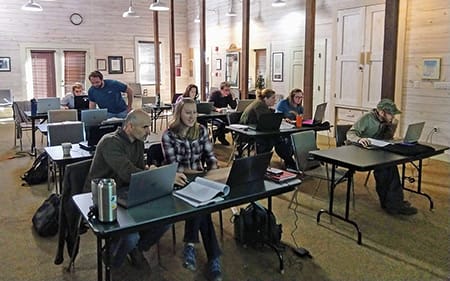
Burn prioritization modeling seminars and fire modeling tools are supported by Wildland Fire Science to train managers in the important planning stages of prescribed fires.
Educating and guiding the next generation of fire researchers and managers is a key goal of Wildland Fire Science and a resource for testing new ideas in fire research.
Tall Timbers hosts the premier fire technology transfer organization—the Southern Fire Exchange. This JFSP funded effort helps connect research to management through webinars, workshops, and support of the Prescribed Fire Science Consortium.
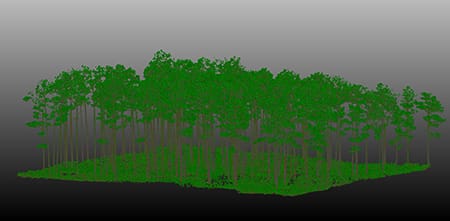
Working with partners in the Prescribed Fire Science Consortium, the program is building nexgen 3-D fuel beds using terrestrial LiDAR and novel sampling techniques to power new fire behavior models for prescribed fire managers. This work links to Tall Timbers work in wildlife habitat usage and ecological forestry.
The Longleaf Legacy landscape prescribed fire burn team arm of Wildland Fire Science works directly with landowners and partners to effectively put fire on the ground and promote prescribed fire throughout the region.
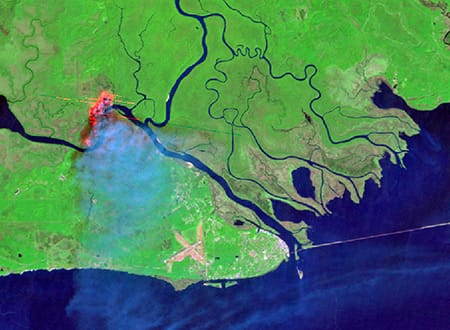
Tall Timbers is leading an effort to map fire regimes at the landscape scale. Staff work with numerous agencies to evaluate fire records and satellite imagery to build this critical conservation database. https://skfb.ly/6DqOY
Tall Timbers hosts the Prescribed Fire Science Consortium, a national network of researchers and managers who promote integrated research and management to advance next generation tools for fire practitioners. https://arcg.is/1DSjDT
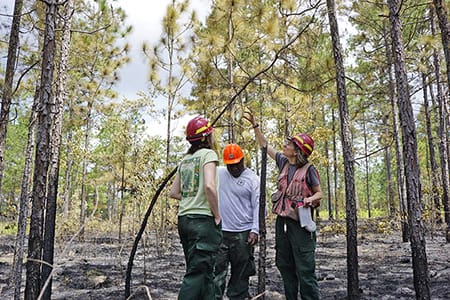
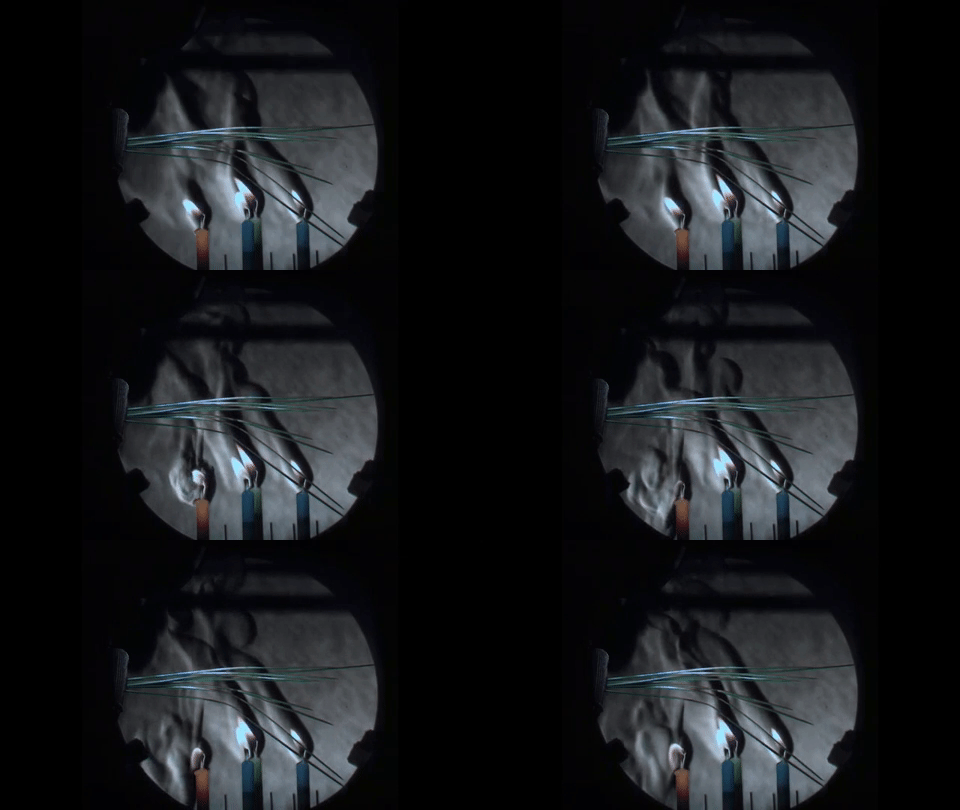
We are linking physics and field observations to understand the fluid dynamics of fire behavior surface fire regimes. Our work combines field observations using advanced thermal imaging techniques, laboratory studies, and coupled fire-atmospheric modeling to help managers improve outcomes of managed fire regimes.
Selected Publications authored by Wildland Fire Science staff.
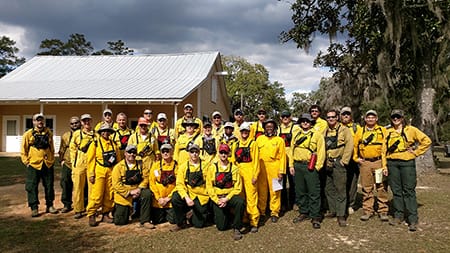
Staff and researchers support Federal fire training by serving as a cadre for NWCG training courses, ranging from basic wildland fire to advanced fire effects.
(PFTC) specializes in training fire fighters the principles and techniques of prescribed fire through practical hands-on experience. https://www.fws.gov/fire/pftc/
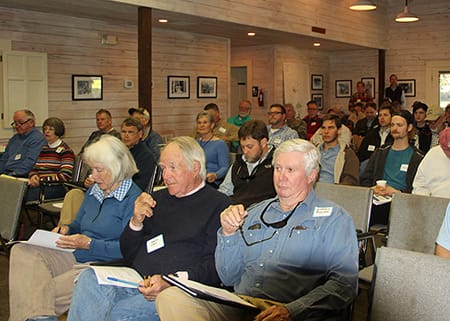
Private land owners are the largest source of prescribed fire in the country. These land owners and the culture of fire that was maintained by them during decades of suppression are a part of why Tall Timbers is a world-wide center for prescribed fire science. Workshops and fire training are a critical focus of the Longleaf Legacy Landscape Burn Team and our support of the Georgia Forestry Commission Prescribed Fire Center in Marion County.
The conserved lands of the Greater Red Hills region are found on working, income-producing properties that support agriculture, forestry, and recreational hunting. These properties contribute $272 million annually to local economies and support 2,300 jobs. [link to Planning & Advocacy section] The landowners’ strong stewardship ethic preserves their working lands while replenishing drinking water supplies, protecting water quality, and providing wildlife habitat for dozens of rare and endangered species. Tall Timbers’ conservation easements on these working properties encourage landowners to retain their traditional livelihood by keeping farms in family ownership.
Home to world-class wild quail populations, the Greater Red Hills region contains the largest concentration of gamebird preserves in the United States. These preserves also support the largest community of Red-cockaded woodpeckers on private lands. Indicators of high quality habitat found here include the gopher tortoise, Bachman’s sparrow, fox squirrel, and many amphibians. Tall Timbers’ conservation easements identify and protect the critical habitats of these species.
The region also boasts outstanding aquatic resources. Large river systems, like the Flint/Apalachicola, Ochlockonee, and Aucilla, flow from Georgia and feed into the Gulf of Mexico to support some of the world’s most productive estuaries. Large disappearing sinkhole lakes, like Iamonia, Miccosukee, and Jackson, provide habitat for an array of aquatic species and migratory birds. Tall Timbers’ conservation easements protect these vital watersheds and wetlands that are the lifeblood for the ecological health of the region.
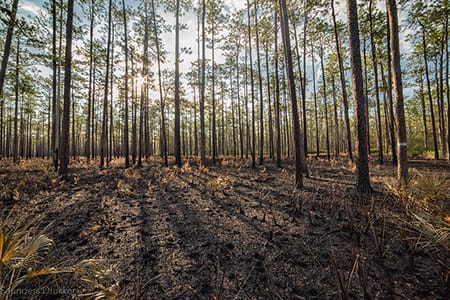
Once dominated by longleaf pine, our pine woodlands support abundant wildlife and local economies. These forests need prescribed fire to stay healthy. Herbert L. Stoddard and his associates Ed and Roy Komarek were pioneers in this emerging scientific field during the mid-20th century. Tall Timbers continues that legacy with applied research on prescribed fire and land management. Today, there is a tremendous need to expand prescribed fire use beyond the Red Hills to ensure ecosystem health and reduce wildfire risk. Additionally, Tall Timbers uses conservation easements to permanently protect private woodlands while balancing the need for economic return from selective timbering.

 The Fish and Wildlife Service (FWS) received a petition by interested parties to request the gopher tortoise be considered for federal listing throughout its range. Currently, the gopher tortoise is listed as federally threatened in the western portion of its range, which includes eastern Louisiana, Mississippi, and west of the Mobile and Tombigbee Rivers in Alabama. In response to the petition the FWS conducted a review that detailed the causes for population declines. The FWS determined there is enough evidence of potential threats to the population to list the gopher tortoise as federally threatened across the entire range. FWS however, has deferred listing at this time due to budget constraints and a current backlog of species petitions. The gopher tortoise will be listed as a candidate species by the Endangered Species Act (ESA) and although no federal protection (state laws still apply) is available to the tortoise under this listing, the FWS encourages voluntary cooperative conservation efforts for the tortoise since it does warrant future protection under the ESA.
  At this time, the gopher tortoise status will be reviewed annually and the FWS will begin working with states, other federal agencies, private landowners, and NGOs to conserve the species. Many state and federal officials are apprehensive about federally listing the gopher tortoise and are very aware of the extensive bureaucratic processes and expenses associated with a federal listing. Considering that approximately 80% of gopher tortoise habitat is on private lands, there is strong incentive to try other alternatives to federal listing of the gopher tortoise. Therefore, federal incentive programs have been initiated to reward private landowners that conduct land management activities that benefit gopher tortoises. Assistance is available to develop and implement management plans for the use of prescribed fire, timber thinning, controlling exotics, reestablishing longleaf pine, and native groundcover and warm season grasses. Since the gopher tortoise is in a holding pattern, now is the time to be proactive in preventing the federal listing of the gopher tortoise, which could have broad implications for the Red Hills and Albany plantation regions.
 Festival activities included wagon rides through the pine forest, tours of the historic Beadel House and Jones Family Tenant Farm, natural history exhibits, and a prescribed burn demonstration. WCTV’s senior meteorologist Mike McCall talked about fire and weather, and there was a Florida Forest Service Fire Helicopter to view. Many hiked on the Henry Stevenson Bird Trail to the Gannet Pond Birdwatch. At 1:30 p.m. there was a dedication of the Birdwatch, which has been restored in honor of Betty Komarek, co-founder of Birdsong Nature Center. Betty Komarek originally designed the bird window in 1964.
 The new history of Tall Timbers, Legacy of a Red Hills Plantation: Tall Timbers Research Station & Land Conservancy was available for sale, with author Robert L. Crawford there to sign the book. The book has been nominated by the University Press of Florida for the American Society for Environmental History George Perkins Marsh Prize.


 Under the tent Dr. Steve Conlin, the president of Gem Land Company, owners of the property, discussed the history and management goals of this premiere 7000-acre quail hunting property in northeastern Leon County that has a rich tradition dating back to the early 1900s. Cherokee, was originally part of Foshalee Plantation, when purchased by the Ingalls and Ireland families in 1944. In the mid-1960s the families mutually agreed to divide hunting operations creating Cherokee Plantation. Both Herbert Stoddard and later Walter Rosene, the fathers of quail management, worked and consulted with managers of Cherokee. Today's land manager, John Fuller, ensures that through careful management, Cherokee remains one of the top quail hunting properties in the Red Hills, along with excellent dove, duck and turkey hunting.