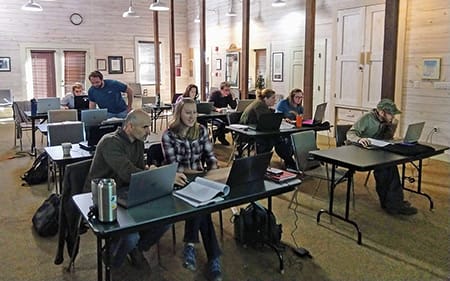
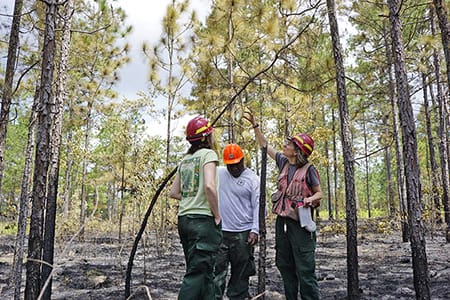
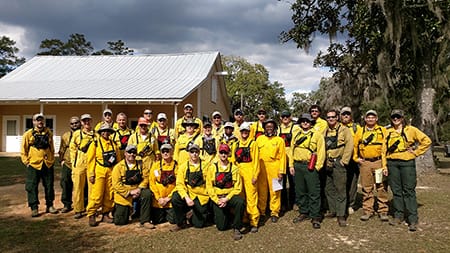
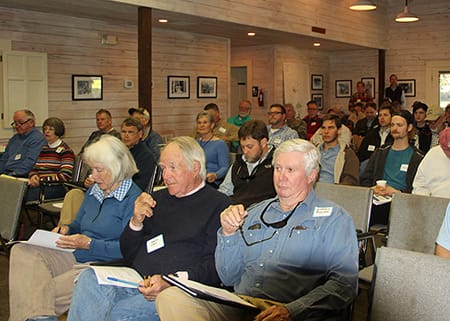
The Prescribed Fire Training Center is holding a Workshop for Resource Specialists – Dec 2 – 7, 2012
Who?
Resource Specialists, which may include but are not limited to: Wildlife Biologists, Hydrologists, Range Managers, Forestry and Silviculture Specialists and Techs, Land Managers, Botanists, Archeologists, and any discipline that may benefit or be affected by the presence/absence of fire.
Course Objectives
This workshop’s flexible curriculum is based on the participant’s expectations. The schedule is a combination of classroom presentations, discussions, projects and field trips to various managed areas with active fire programs. The overarching goals are to pro-mote the attendee’s knowledge of fire as a management tool and to engage the resource specialist’s active participation in a prescribed fire program by:
Facilitating the exchange of experience and knowledge among and between cadre and participants
Identifying the differences in fire effects between prescribed fire and wildfire
Exposing participants to resource management programs that are successfully con-ducting a burn program through an interdisciplinary approach
Addressing fire utilization for resource benefit. Discussing concerns and mitigation steps necessary to incorporate resource needs with fire program needs.
Location
The Workshop will be held in Florida, the location to be determined by weather and field activity opportunities. However, field trips will be taken in a variety of sites and management agencies.
Application Deadline is October 25, 2012.For Additional Information and Application Form Visit the PFTC Website http://www.fws.gov/fire/pftc/
Contact
Greg Seamon, Fire Training Specialist, 850.523.8631 (office); 850.556.8613 (cell); gseamon@tnc.org
By Kevin Robertson, Fire Ecology Research Scientist
One of the primary goals of prescribed burning in southern pine forests is killing the above-ground portion of hardwoods such as oaks and hickories ("top killing") to promote the growth and survival of pine and herb species. These hardwood species typically re-sprout after being top-killed, which requires them to be burned again soon after.
We conducted research to look at the response of hardwood resprouting to burning at one versus two-year fire return intervals, in the late winter (February-March) versus the early growing season (April-June), and in old-field pine versus native longleaf pine communities. We followed individual resprouting hardwood plants of multiple species for five years, comparing their above-ground biomass at the end of one fire-free interval with their above-ground biomass at the end of a second fire free interval, to see if there was a net growth or decrease in biomass over time under the different fire regimes and community types.
Results showed that hardwood re-sprouts generally grow back to about the same size as they were before being top killed from one fire-free interval to the next at a given fire return interval (one or two years). However, smaller re-sprouts do tend to get a little larger from one fire-free interval to the next, whereas larger re-sprouts appear to have reached an equilibrium where they do not get larger from one fire-free interval to the next (See figure below). This may be because of increasing competition for resources as the re-sprouts, and presumably their root systems, get larger over time. It may also be due to changes in above-ground versus below-ground allocation of resources within the plant, where smaller re-sprouts save more energy in their roots and thus can re-sprout to larger sizes after being top killed.
Timing of fire had an effect on resprouting, where burns conducted in the early growing season caused re-sprouts to come back at smaller sizes than when they were burned in the late dormant season, although a net decrease in total above-ground biomass was found only in native pine communities burned annually in the growing season. Less vigorous resprouting in the growing season has been shown in other studies of the southeastern pine forests, attributable to greater above-ground allocation of resources within the plant during the growing season and therefore greater losses to fire. Changes in total above-ground biomass from one fire-free interval to the next were about the same under the one versus two-year fire return intervals, but mortality rates of genetic individuals were highest with annual burning.
Management implications are that, in the short-term (a few fire-free intervals), hardwood re-sprouts will come back to about the same size as they were before burning, without some other treatment such as herbicide. However, over longer periods of time, growing season burns appear to resist growth hardwood re-sprouts more than dormant season burns, and annual burning permanently kills more of the hardwood re-sprouts than burning every other year, assuming the area was completely burned. Except for burning annually in the growing season in native longleaf pine communities, total above-ground biomass of hardwood re-sprouts is expected to reach an equilibrium under a given fire regime and community type.
Change in above-ground biomass (log transformed) of hardwood re-sprouts (circles) from the end of one 1-year fire free interval (t1) to the end the next 1-year fire-free interval (t2), showing the line for the best fit equation (solid bold) and 95% confidence intervals (solid light). Smaller re-sprouts return as larger re-sprouts, but larger re-sprouts return to about the same size.
Prescribe burn logging slash or build brush piles.
Finish growing season burns in native ground cover before arrival of fall.
Forestry
Plan for regeneration by conducting a visual survey of mature longleaf pine trees for cone production
Order seedlings early if regeneration is planned and cone crop is poor. Planting containerized seedlings in the fall can achieve better survival than waiting until later in the year.
If adequate cone crop, plan for site preparation burn to capture regeneration.
Mow between alternate rows within pine plantations to eliminate competition and create different heights of vegetation.
Game Bird
Supplemental feed at 1-2 bu/ac/yr.
Manage for nest predators if needed.
Land Management
Good month to spray herbicides, girdle or fell hardwoods.
Plant second round of millet in dove fields, for those who want grain available for the second phase of dove season.
Wetter dove fields should be planted with Japanese millet during this wetter month.
Plan deer survey route for spotlight counts (Florida only).
Mow roads and repair woods roads.
Vertebrate Ecology
Good time to replace worn-out artificial cavities for Red-cockaded Woodpeckers. Juveniles start roosting in cavities this time of year and will adopt clean cavities quickly.
Lake and pond draw-downs at this time of year can provide benefits for migrating shorebirds and wading birds.
Chimney Swifts begin to stage for migration and may use novel roosting sites, including the chimneys of abandoned tenant homes.
Swallow-tailed and Mississippi Kites gather in large migratory flocks and may forage over open fields.
Early songbird migrants appear; look for Yellow Warblers & Louisiana Water Thrushes along brushy wetland edges.
Hummingbirds that venture from breeding habitats may show up at feeders almost anywhere; maintain feeding stations.
Gopher Tortoise nests start hatching; keep heavy equipment away from tortoise burrows.
Allow some lightning-struck trees to die and decay naturally for the benefit of snag-nesting wildlife.
September Management Recommendations
Fire Ecology
Execute late growing season prescribed burns for native ground cover.
Forestry
Apply fall herbicides for control of hardwoods.
Conduct site-preparation burns to capture longleaf regeneration.
Game Bird
Begin to mow or chop hunting lanes in late September.
Mow thickets, and areas that were too wet to mow in the spring
Begin dog training.
Begin conditioning of horses and mules.
Continue supplemental Feeding at 1-2 bu/ac/yr.
Discontinue Predation Management.
Land Management
Plant fall food plots, if rainfall is sufficient.
Begin mowing or harvesting dove fields.
For those who want grain available for the third phase of dove season, plant second round of millet in dove fields.
Implement deer surveys to determine harvest strategy.
Apply herbicide for exotic grasses.
Apply herbicide for hardwood control.
Vertebrate Ecology
Fall songbird migration begins in earnest; watch for colorful birds along streamside zones and in hardwood forests.
Early Bald Eagles start to return to stake out territories and begin courtships.
Red-cockaded Woodpecker translocations begin; trucks in the woods at night may be helping this endangered species.
What is the Economic Impact of the Red Hills Hunting Plantations?
Hunting plantations are a major economic driver in the Red Hills.
An important part of protecting the rural character of the Red Hills region has been Tall Timbers’ ability to demonstrate that these rural lands pay more than their fair share to support local services and infrastructure while also providing vital ecosystem services such as clean abundant water, fresh air, and wildlife habitat.
Increasingly however, the message that truly resonates with elected officials and others who make decisions affecting the Red Hills can be summed up in one word: “Jobs.” While clean water and air is indispensable to everyday life, demonstrating the region’s economic and job-related impacts on local communities is crucial during this difficult economic time.
Planning Coordinator Neil Fleckenstein is working on a project that will shed light on these important issues. This project will allow us to estimate the direct and indirect economic impact and job creation provided by Red Hills quail hunting properties. We believe this study will demonstrate what we have long known – that the Red Hills is a major driver of local economies and a significant contributor to the overall regional economy.
One of the first steps in the process is developing and distributing a survey that will be sent to landowners and land managers throughout the Red Hills. This survey is a critical part of this project and the primary means of gathering the information necessary to allow us to estimate the overall economic impact and job creation associated with the Red Hills hunting community. Red Hills landowner participation is crucial as we must obtain a high response rate to accurately estimate the overall economic impact of the region.
This project will play an important role in our continuing efforts to conserve the Red Hills and we would greatly appreciate your support of this effort. You will be hearing much more about this project in the coming weeks and months. Questions about this project can be directed to TTLC Planning Coordinator Neil Fleckenstein at 850-893-4153, ext. 335.
We compare midsummer (July 15) demographics among years to provide our first dependable indication of where quail populations are headed for the fall. Bumper hatches of quail occur when we have a very strong early hatch, often followed by a moderate late hatch. This year, with mild winter weather and an early spring, nesting began weeks earlier than normal and have continued relatively strong through July. Here are the results for our study areas in Florida and Georgia.
Albany Hatch Improved over Past Years
Below is a graph (Figure 1) showing the average for the last 10 years for 48% of nests and 27% broods produced per 100 radio-tagged hens as well as 53% summer survival of these birds. Quail demographics on the Albany Quail Project study area are above the 10-year average in all categories and are well above figures from this time last year. Indications are that chick survival is very good as brood sizes have remained large. Improvements are due to improved weather conditions combined with some management modifications on our study areas.
Figure 1. Mid-summer hatch statistics on the Albany Quail Project study site relative to the last five years.
Mild winter weather across the country resulted in fewer than normal migratory hawks and improved overwinter survival of quail. Nesting began early and weather was ideal during much of the early nesting season. Conservative burning and mowing, fertilization of weed fields, and adequate spring rains provided good cover conditions during covey break up and the onset of nesting season. Care was taken to keep supplemental feed in the best cover possible, even if this meant moving the feed trail. All these efforts combined helped improve the summer survival of adult nesters, which is what drives the reproductive output. Yet to be seen is what role cotton rat numbers may be playing in this increase, as we will not do our surveys until late August.
Hopefully, the weather will continue to cooperate for the remaining summer months and populations will be able to recover from last year's drought impacted numbers. We have seen a recent increase in nesting during late July. The first half of the nesting season was excellent but we need a strong late hatch to go with it to see the kind of recovery we are hoping for.
Tall Timbers Hatch Improves over 2010 and 2011
The first half of the nesting season has been a good one. Nesting and adult survival continue to be strong as they have been over the past several years. The main difference in productivity is an increase in nesting success from last year (27%) to this year (68%) and much improved survival of chicks through the first two weeks post-hatch.
Figure 2. Mid-summer hatch statistics on Tall Timbers Research Station relative to the last five years.
Nesting success has increased over last year likely due to increased alternative prey and food items (Figure 2).Rodent numbers were very low last year during the drought, as were blackberries, another staple for omnivorous predators, providing fewer food items for the predator population.Cotton rats have made a surprising rebound this year likely offsetting some predation on adult quail and their nests. Our long-term study shows a direct correlation between cotton rat numbers and nesting success.
The Game Bird Lab, led by biologist Bud Bostick, has captured and banded 188, 8-day old chicks thus far. Nesting seasons, in which we have captured over 200 chicks, based on about the same number of radio-tagged hens, have been years in which our quail population on Tall Timbers increased, and the Red Hills observed above average hunting success. Other positive signs include steady nesting, large number of male incubated nests, and good adult survival. Nearly a quarter of male bobwhites have hatched a nest this year! Of the 188 chicks banded, 52 came from male incubated nests! Collectively, the wild quail demographic machine is on full steam ahead. Hopefully, August through September will bring fair weather as a late hatch on top of our base would make for a significant increase this year.
Male bobwhite incubates a nest. Photo by Bud Bostick
We are in our last year of feeding at 3 treatment levels (0.5, 1 and 2 bushels per acre per year) on Tall Timbers. The differences this year indicate the highest productivity at the 1 and 2 bushels per acre per year level, with 0.49 and 0.78 nests produced per hen, respectively, versus 0.44 nests produced per hen, for the 0.5 bushel per acre per year treatment. So, even in a fantastic weather year, the direct relationship among level of spreading supplemental feed and quail productivity continues to hold. Careful use and management of a supplemental feeding program appears to improve quail production in areas of good habitat.
South Carolina Report
Monitoring radio-tagged hens in South Carolina indicates reproductive output has been similar to the past two years. Managers report seeing good numbers of broods; and we saw good nest production in early May, but nesting success was relatively low, resulting in somewhat lower broods per hen this year compared to past years (see graph). We suspect greater depredation of nests was a result of lower cover in nesting areas due to last summer’s drought. However, since about mid-May, nest success has increased and brood production is increasing.
Comparing the reproductive output of radio-tagged hens to last summer, we are slightly behind in the number of broods produced per 100 hens, but better than 2009 and 2010 (Figure 3). With most of the low county seeing plenty of rainfall in June and July, the cover has responded well in both the brood fields and burned woods. This should help with increased brood survival, which in turn should mean very good fall bobwhite populations. We have had good adult survival this summer, which puts us in a great position for a good late hatch, as long as the weather stays favorable through September. It’s too early to say whether we will have more birds this season than last, but with a little luck we should have just as many.
Figure 3. Mid-summer hatch statistics on South Carolina Quail Project study site relative to the last five years.
The M-CORES program, which includes the proposed Suncoast Connector Toll Road in Jefferson County, passed through the Florida Legislature at breakneck speed with little review or analysis. Tall Timbers has a number of concerns given the potential for significant and wide spread impacts. These include fragmenting public and private conservation lands, robbing business from Main Street Monticello, impacting our rivers and other water resources, and making prescribed fire more difficult and costly.
Join us in asking the Jefferson County Board of County Commissioners to OPPOSE the Suncoast Connector toll road and its path through Jefferson County.
Take action now with our easy email form.
Send an email to all five Jefferson County Board of County Commissioners with one click!
Burn prioritization modeling seminars and fire modeling tools are supported by Wildland Fire Science to train managers in the important planning stages of prescribed fires.
Educating and guiding the next generation of fire researchers and managers is a key goal of Wildland Fire Science and a resource for testing new ideas in fire research.
Tall Timbers hosts the premier fire technology transfer organization—the Southern Fire Exchange. This JFSP funded effort helps connect research to management through webinars, workshops, and support of the Prescribed Fire Science Consortium.
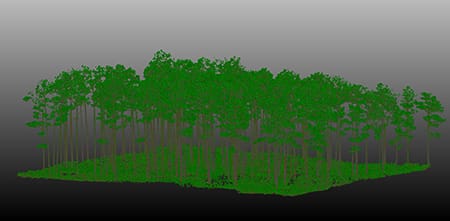
Working with partners in the Prescribed Fire Science Consortium, the program is building nexgen 3-D fuel beds using terrestrial LiDAR and novel sampling techniques to power new fire behavior models for prescribed fire managers. This work links to Tall Timbers work in wildlife habitat usage and ecological forestry.
The Longleaf Legacy landscape prescribed fire burn team arm of Wildland Fire Science works directly with landowners and partners to effectively put fire on the ground and promote prescribed fire throughout the region.
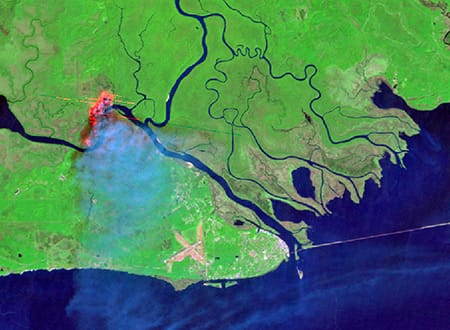
Tall Timbers is leading an effort to map fire regimes at the landscape scale. Staff work with numerous agencies to evaluate fire records and satellite imagery to build this critical conservation database. https://skfb.ly/6DqOY
Tall Timbers hosts the Prescribed Fire Science Consortium, a national network of researchers and managers who promote integrated research and management to advance next generation tools for fire practitioners. https://arcg.is/1DSjDT
We are linking physics and field observations to understand the fluid dynamics of fire behavior surface fire regimes. Our work combines field observations using advanced thermal imaging techniques, laboratory studies, and coupled fire-atmospheric modeling to help managers improve outcomes of managed fire regimes.
Selected Publications authored by Wildland Fire Science staff.
Staff and researchers support Federal fire training by serving as a cadre for NWCG training courses, ranging from basic wildland fire to advanced fire effects.
(PFTC) specializes in training fire fighters the principles and techniques of prescribed fire through practical hands-on experience. https://www.fws.gov/fire/pftc/
Private land owners are the largest source of prescribed fire in the country. These land owners and the culture of fire that was maintained by them during decades of suppression are a part of why Tall Timbers is a world-wide center for prescribed fire science. Workshops and fire training are a critical focus of the Longleaf Legacy Landscape Burn Team and our support of the Georgia Forestry Commission Prescribed Fire Center in Marion County.
The conserved lands of the Greater Red Hills region are found on working, income-producing properties that support agriculture, forestry, and recreational hunting. These properties contribute $272 million annually to local economies and support 2,300 jobs. [link to Planning & Advocacy section] The landowners’ strong stewardship ethic preserves their working lands while replenishing drinking water supplies, protecting water quality, and providing wildlife habitat for dozens of rare and endangered species. Tall Timbers’ conservation easements on these working properties encourage landowners to retain their traditional livelihood by keeping farms in family ownership.
Home to world-class wild quail populations, the Greater Red Hills region contains the largest concentration of gamebird preserves in the United States. These preserves also support the largest community of Red-cockaded woodpeckers on private lands. Indicators of high quality habitat found here include the gopher tortoise, Bachman’s sparrow, fox squirrel, and many amphibians. Tall Timbers’ conservation easements identify and protect the critical habitats of these species.
The region also boasts outstanding aquatic resources. Large river systems, like the Flint/Apalachicola, Ochlockonee, and Aucilla, flow from Georgia and feed into the Gulf of Mexico to support some of the world’s most productive estuaries. Large disappearing sinkhole lakes, like Iamonia, Miccosukee, and Jackson, provide habitat for an array of aquatic species and migratory birds. Tall Timbers’ conservation easements protect these vital watersheds and wetlands that are the lifeblood for the ecological health of the region.
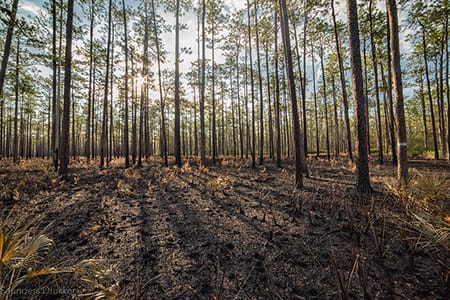
Once dominated by longleaf pine, our pine woodlands support abundant wildlife and local economies. These forests need prescribed fire to stay healthy. Herbert L. Stoddard and his associates Ed and Roy Komarek were pioneers in this emerging scientific field during the mid-20th century. Tall Timbers continues that legacy with applied research on prescribed fire and land management. Today, there is a tremendous need to expand prescribed fire use beyond the Red Hills to ensure ecosystem health and reduce wildfire risk. Additionally, Tall Timbers uses conservation easements to permanently protect private woodlands while balancing the need for economic return from selective timbering.