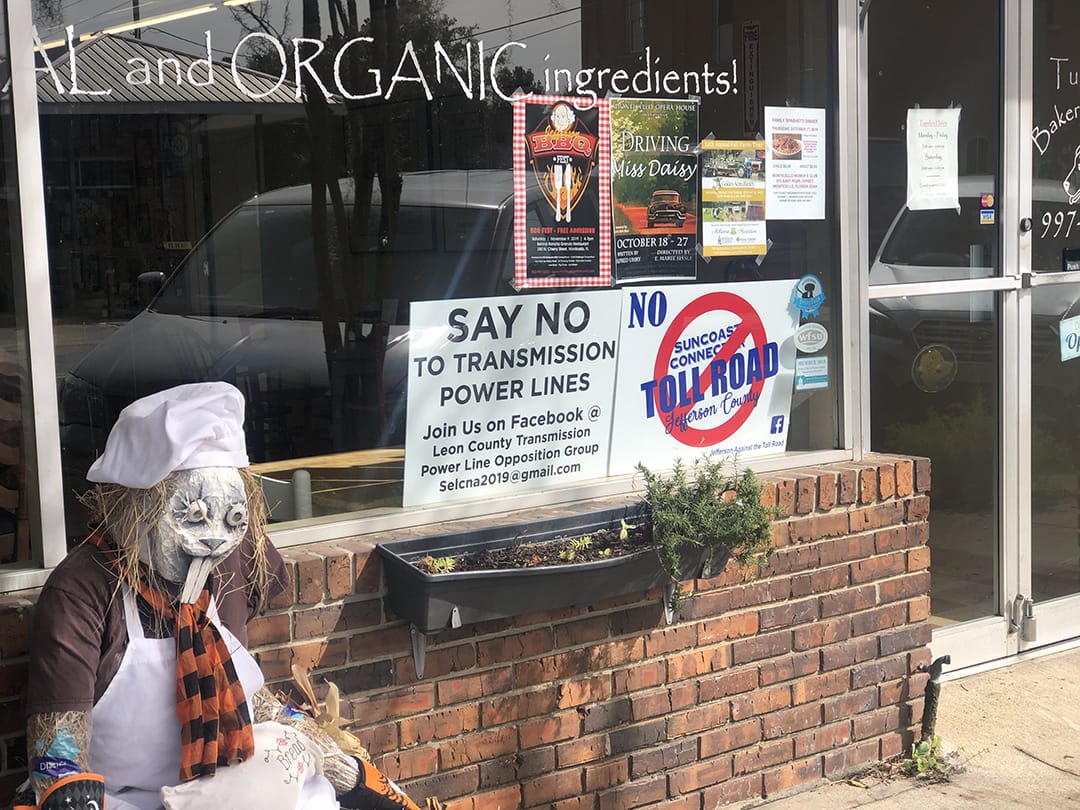
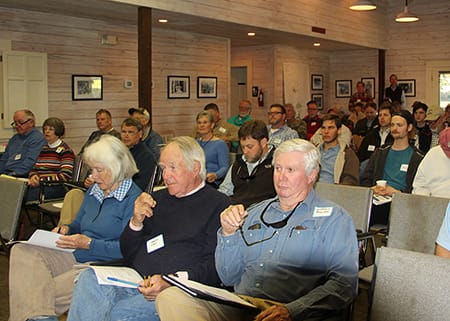
“Take your toll road away from Monticello. Far away.” So begins local writer Merry Ann Frisby’s op-ed in the October 25, 2019 edition of the Tallahassee Democrat. (PDF OF THE ARTICLE). I won’t go into detail describing the author’s op-ed as it would be an injustice to her wonderful prose. Suffice to say she captures many of Tall Timbers’ concerns regarding the proposed toll road’s potential impacts to wildlife habitat, our regions precious water resources, Jefferson County’s archaeological treasures, and Main Street communities like Monticello.
If you have not heard about the Suncoast Connector toll road, it is part of a proposal hastily passed by the Florida Legislature earlier this year. The Multi-Use Corridors of Regional Economic Significance Program (M-CORES) authorizes the design and construction of three new toll road corridors through rural Florida, including the 150+ mile Suncoast Connector, extending from Citrus County through Jefferson County. The proposed Suncoast Connector toll road corridor would provide a direct link between the Red Hills and the Florida Turnpike in Central Florida. The proposal includes planning for the provision of water, sewer, and other infrastructure specifically designed to encourage development in rural areas.
In order to respond to this challenge, Tall Timbers has raised funds from generous and concerned Red Hills landowners, hired a consulting firm to help Tall Timbers’ voice be heard on this issue, met with dozens of key leaders and Toll Road Task Force members, identified key issues we need to study, and engaged in broad-based public outreach activities.
There’s still plenty of work to do. In the coming months we will continue to meet with key leaders, stakeholders, and Task Force members; grow our toll road outreach campaign; commission respected organizations to study important issues related to toll road impacts; and expand partnerships with organizations concerned about this damaging program.
Tall Timbers knows that Jefferson County and other rural communities have infrastructure and economic development needs. We believe what’s needed however is not the sledgehammer of a toll road corridor but strategic assessment and investment in regional and community planning to identify communities’ desired future visions, critical infrastructure and other community development needs, and opportunities for local and regional natural resource conservation.
The focus of these efforts should be on smart growth that protects our environment, enhances our local economies, and preserves rural community character throughout the Big Bend.
Tall Timbers needs your help. Visit our Suncoast Connector webpage to learn about this proposal and to send an email opposing the toll road to the Florida Department of Transportation.
For additional information, contact Red Hills Planning Coordinator Neil Fleckenstein or Tall Timbers CEO/President Bill Palmer.
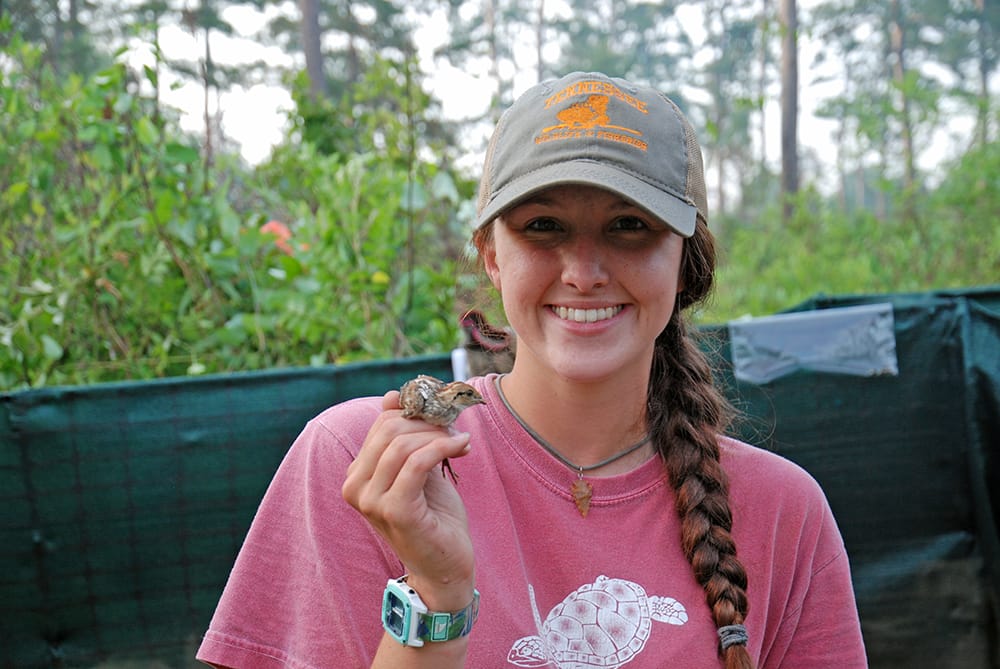
Intern Destinee Story with tagged quail chick. Photo by Brad Kubecka
Bobwhite Populations Poised for Growth
The quail hatch through July has been good, but not record setting in the Red Hills and Albany areas in terms of per capita production. Adult survival has been slightly above average on Tall Timbers and Dixie Plantation, yielding average to slightly above average nest production and brood production for the Red Hills and Albany regions through the midpoint of the breeding season. The hatch in central Florida, however, has been a record-breaking year with per capita production higher than we’ve ever seen in more than 25 years of monitoring bobwhites, which is a much-needed growth spurt for this region given its relatively low population densities.
Figure 1
The permeating story line of the season so far is — above average chick growth and survival. Across four study sites this year, we have observed chicks weighing 2-3 grams more than previous years at the same age (see Figure 1). This is excellent news and has translated into exceptional chick survival. In fact, on a couple of our study sites we are observing the highest chick survival rates we have seen in the last five years. I suspect this is due the timing and amount of rainfall we’ve had this breeding season being more favorable to broods, compared to previous years, as well as good foraging conditions. That said, the abundant rainfall over the past week (mid-August), has taken a toll on brood size and chick survival for recently hatched chicks. However, chicks hatching in June and July, for the most part, have been unaffected by the rains of late.
With the good hatch through July in the Red Hills and Albany regions, and great hatch in central Florida, coupled with excellent chick size and chick survival, bobwhite populations are well positioned for growth. We are hopeful that this good fortune continues for the remainder of the season, and will yield good fall recruitment and a population uptick as a result. And, as one manager recent said to me, “Knock on wood, nothing is brewing in the tropics!”
Measuring quail chick wing. Photo by Brad Kubecka
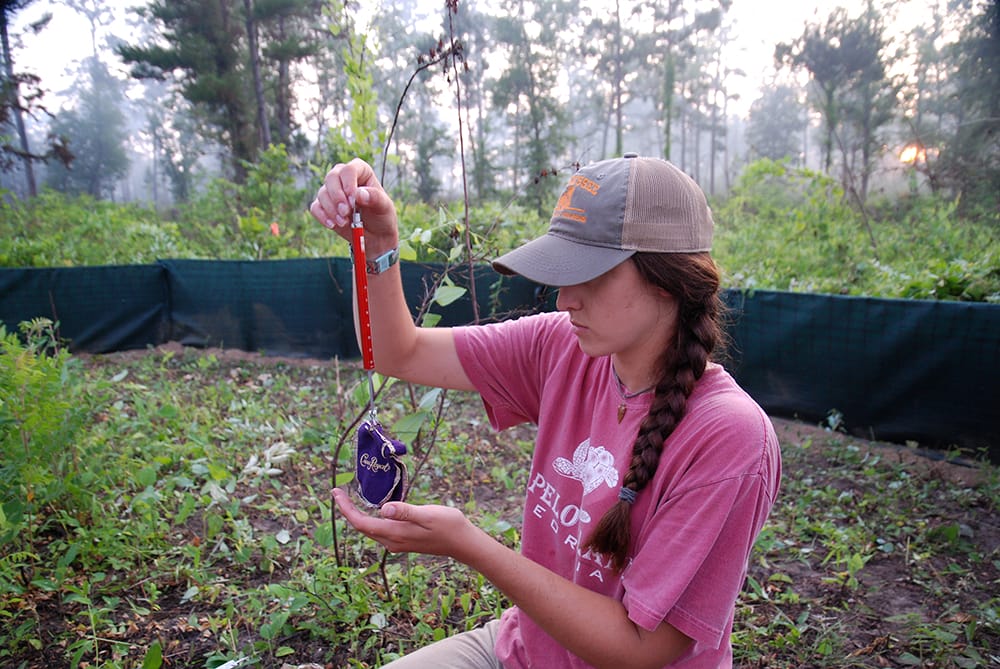
Intern Destinee Story weighs a quail chick. Photo by Brad Kubecka
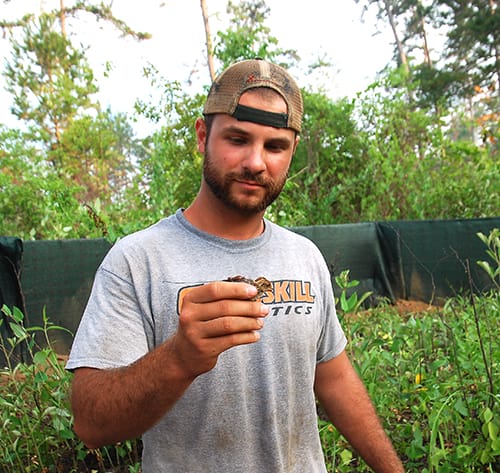
Lead Game Bird technician, Kyle Magdziuk holds chick with radio attached. Photo by Brad Kubecka
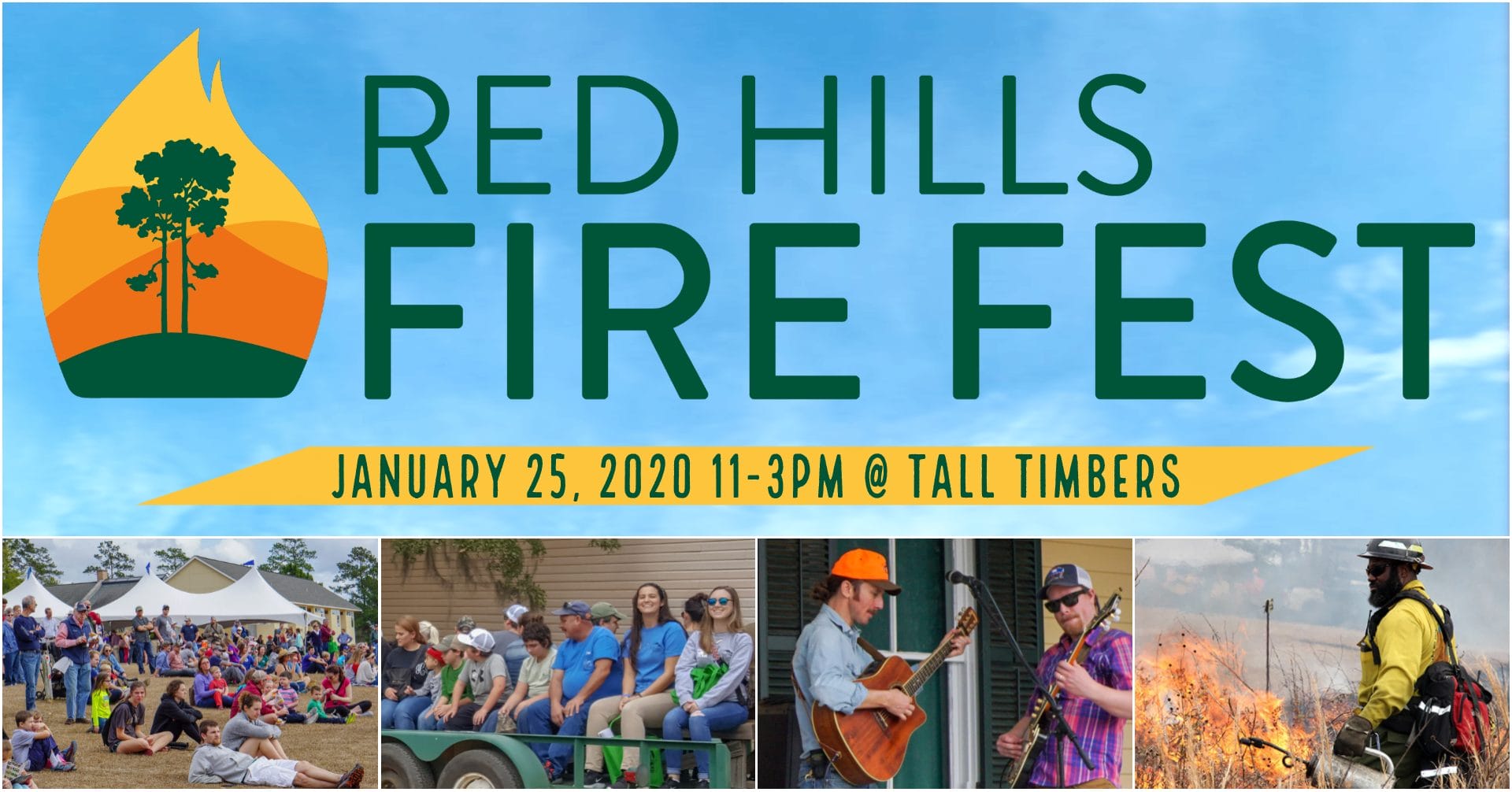
Mark your calendars for the third Red Hills Fire Festival on Saturday, January 25, 2020, hosted at Tall Timbers from 11:00 to 3:00 PM. Fire Festival is one of our general public prescribed fire outreach initiatives to increase familiarity with fire and understanding of the ecological benefits. Research has linked both ecological understanding and familiarity with fire as important factors for shaping approval of prescribed fire.
We target new audiences by making it a fun and free festival. It’s an all-ages good time with live music, prescribed fire demos, live wildlife, wagon ride tours of healthy forests, hands-on fire equipment, kids’ activities, and food vendors. Fire Festival happens through the collaborative effort of over 30 organizations pulling together around the central understanding that fire is a critical part of land stewardship in our region.
After launching the Red Hills Fire Festival in 2017 and 2018, our planning team challenged other communities in the North Florida Prescribed Fire Council region to host their own festival in 2019, as the Red Hills version transitioned to a biennial event. Partners in the Gainesville, Florida area enthusiastically accepted and replicated the fire festival formula at the University of Florida Austin Cary Forest in January 2019 with great success.
Planning for the January 25, 2020 Red Hills Fire Festival is underway and received a great surprise in June, when Cliff Leonard of Hook Line & Sinker Graphic Design in Tallahassee offered to donate his services to craft a logo for the event. Cliff is a big fan of prescribed fire and is always looking for opportunities to help burn. We think his connection to fire shows in this fantastic new logo that will help us continue to build brand recognition for the festival and our mission to increase and sustain public approval for prescribed fire.
Morgan Varner hired as Director of Fire Research at Tall Timbers
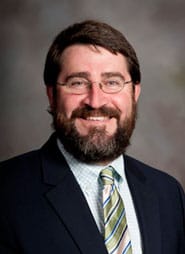
Morgan Varner
Morgan Varner has been hired as the Director of Fire Research at Tall Timbers. Tall Timbers has made significant investments in fire research, training, and outreach as a result of the institution’s strategic plan goal to expand, improve and protect the use of prescribed fire. In this new position, Varner will coordinate Tall Timbers’ local to international collaborations aimed at improving our understanding of fire behavior and predictions of fire effects on plants and animals. Varner has the background, knowledge, and expertise for the position. He has a Ph.D. in Interdisciplinary Ecology from the University of Florida School of Natural Resources & Environment, an M.S. in Forestry from Auburn University School of Forestry & Wildlife Sciences, and a B.S. in Forest Resources from the University of Idaho College of Forestry, Wildlife, & Range Sciences. From 2014-2016, Varner was the Chair of the Coalition of Prescribed Fire Councils, Inc. Varner comes to Tall Timbers from the USDA Forest Service Pacific Northwest Research Station Seattle, Washington where he was Team Leader and Research Biological Scientist at the Pacific Wildland Fire Sciences Lab.
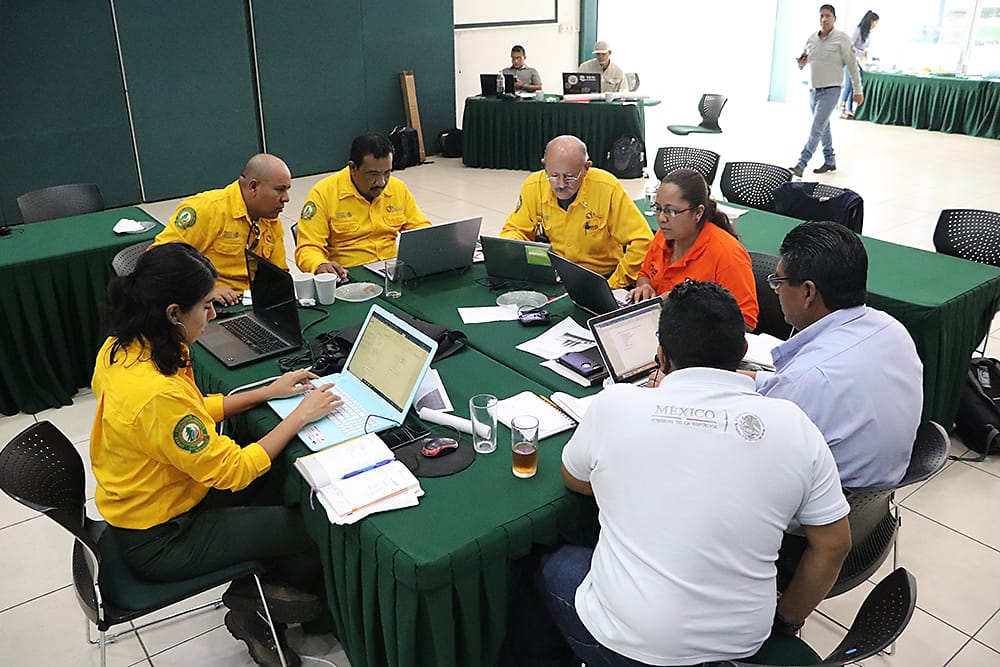
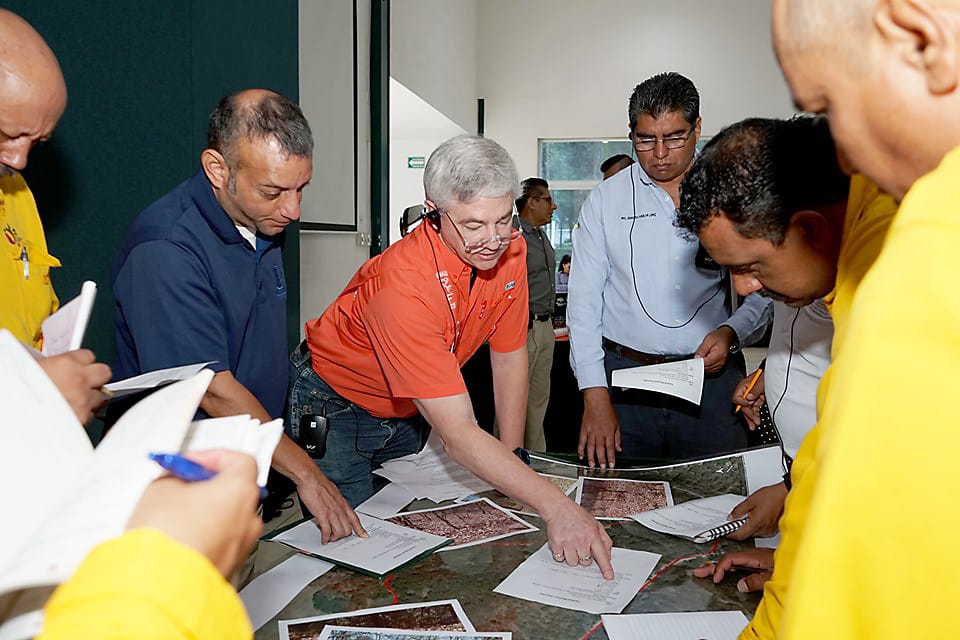
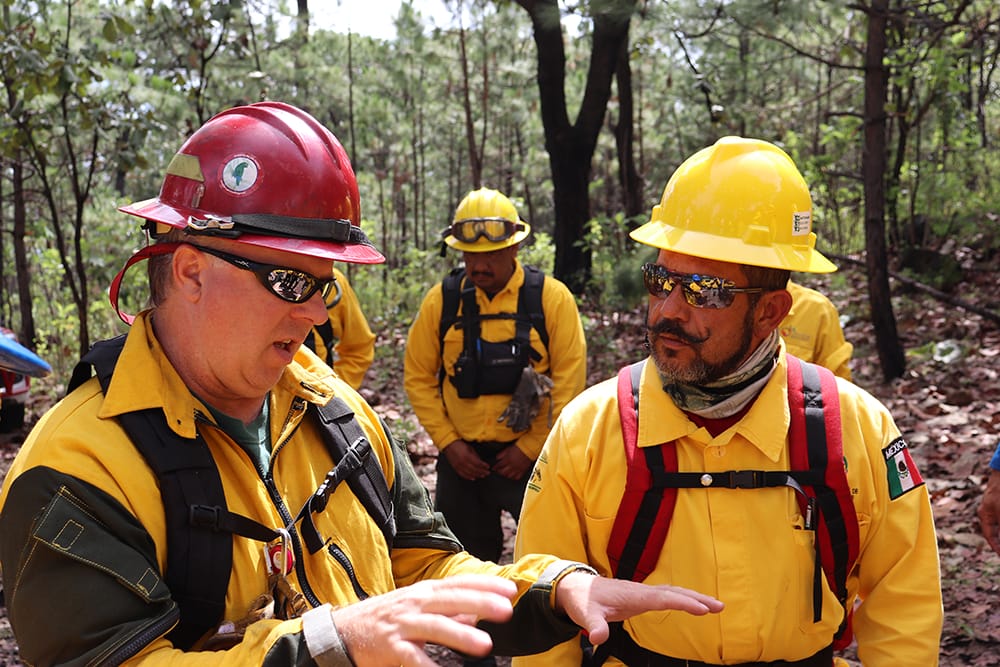
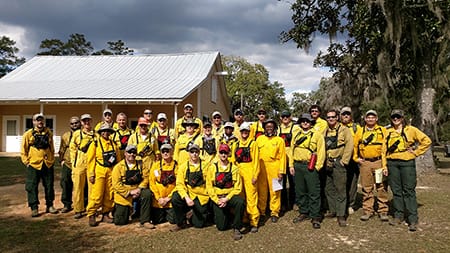
Tall Timbers returned to Mexico this summer. Following last year’s training in Campeche, Fire Training Specialist Greg Seamon was invited back to conduct Phase II of prescribed fire training in Guadalajara for twenty-six participants representing CONAFOR (National Forestry Commission of Mexico), CONANP (National Commission for Natural Protected Areas), UNAM (National Autonomous University of Mexico), and ProNatura (Mexico’s largest environmental organization). Greg joined Mark Ploski, Operations Specialist for the Prescribed Fire Training Center (USFS) and Danny Cedeno, Assistant Fire Management Officer on the Carson National Forest (USFS) and a number of employees from the USFS International Program presenting talks on ignitions, objective setting, post-burn responsibilities, burn plan writing and monitoring, as well as a tactical decision exercise focused on setting objectives, ignition planning and holding.
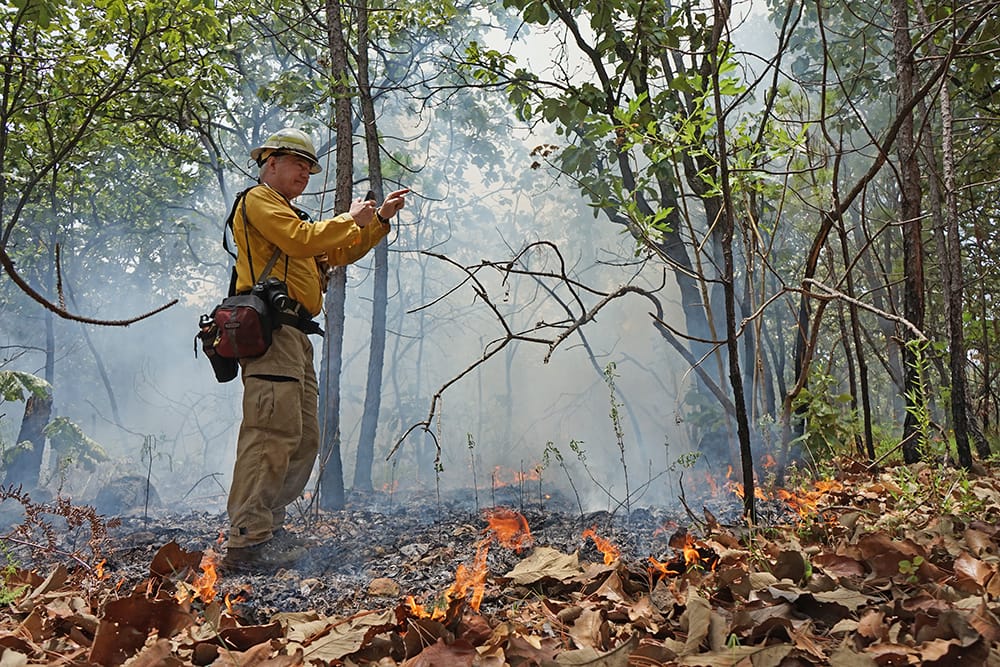
Two days were spent in the field on the side of an extinct volcano outside Tequila, Mexico. The first had the attendees broken into three groups and each given a burn unit to walk through in preparation for writing a burn plan. After each group wrote a plan, Greg, Mark and Danny chose the plan to be implemented, which occurred on the second field day. During the burn Greg worked with a group to take pre-burn and post-burn photos as well as weather and fire behavior observations during the burn. Danny worked with an ignition crew of ten students and Mark worked with the burn boss and the holding resources. Though the burn was small, 3.5 hectares (8.4 acres), all participants concurred during the after action review that they had experienced great learning opportunities.
The final activity was another after action review to discuss the entire workshop. All attendees were asked what they would like to have in Phase III. There were a number of subjects brought forth with some of the areas that received the most attention including smoke management, reviewing lessons learned, more fire behavior and monitoring in the field, and burn planning in different ecosystems. There is desire by all parties that a third phase will take place and hopefully Tall Timbers will be helping again.
The M-CORES program, which includes the proposed Suncoast Connector Toll Road in Jefferson County, passed through the Florida Legislature at breakneck speed with little review or analysis. Tall Timbers has a number of concerns given the potential for significant and wide spread impacts. These include fragmenting public and private conservation lands, robbing business from Main Street Monticello, impacting our rivers and other water resources, and making prescribed fire more difficult and costly.
Join us in asking the Jefferson County Board of County Commissioners to OPPOSE the Suncoast Connector toll road and its path through Jefferson County.
Take action now with our easy email form.
Send an email to all five Jefferson County Board of County Commissioners with one click!
Selected Publications authored by Wildland Fire Science staff.
Educating and guiding the next generation of fire researchers and managers is a key goal of Wildland Fire Science and a resource for testing new ideas in fire research.
Tall Timbers hosts the Prescribed Fire Science Consortium, a national network of researchers and managers who promote integrated research and management to advance next generation tools for fire practitioners. https://arcg.is/1DSjDT
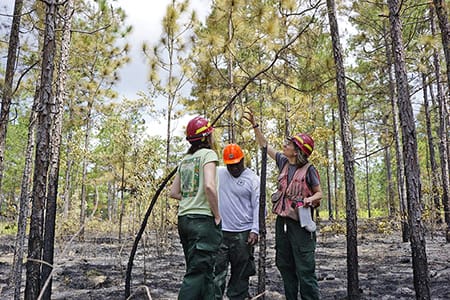
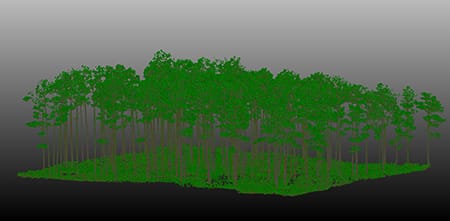
Working with partners in the Prescribed Fire Science Consortium, the program is building nexgen 3-D fuel beds using terrestrial LiDAR and novel sampling techniques to power new fire behavior models for prescribed fire managers. This work links to Tall Timbers work in wildlife habitat usage and ecological forestry.
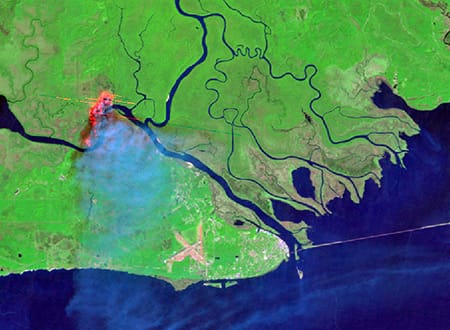
Tall Timbers is leading an effort to map fire regimes at the landscape scale. Staff work with numerous agencies to evaluate fire records and satellite imagery to build this critical conservation database. https://skfb.ly/6DqOY
We are linking physics and field observations to understand the fluid dynamics of fire behavior surface fire regimes. Our work combines field observations using advanced thermal imaging techniques, laboratory studies, and coupled fire-atmospheric modeling to help managers improve outcomes of managed fire regimes.
Burn prioritization modeling seminars and fire modeling tools are supported by Wildland Fire Science to train managers in the important planning stages of prescribed fires.
The conserved lands of the Greater Red Hills region are found on working, income-producing properties that support agriculture, forestry, and recreational hunting. These properties contribute $272 million annually to local economies and support 2,300 jobs. [link to Planning & Advocacy section] The landowners’ strong stewardship ethic preserves their working lands while replenishing drinking water supplies, protecting water quality, and providing wildlife habitat for dozens of rare and endangered species. Tall Timbers’ conservation easements on these working properties encourage landowners to retain their traditional livelihood by keeping farms in family ownership.
Home to world-class wild quail populations, the Greater Red Hills region contains the largest concentration of gamebird preserves in the United States. These preserves also support the largest community of Red-cockaded woodpeckers on private lands. Indicators of high quality habitat found here include the gopher tortoise, Bachman’s sparrow, fox squirrel, and many amphibians. Tall Timbers’ conservation easements identify and protect the critical habitats of these species.
The region also boasts outstanding aquatic resources. Large river systems, like the Flint/Apalachicola, Ochlockonee, and Aucilla, flow from Georgia and feed into the Gulf of Mexico to support some of the world’s most productive estuaries. Large disappearing sinkhole lakes, like Iamonia, Miccosukee, and Jackson, provide habitat for an array of aquatic species and migratory birds. Tall Timbers’ conservation easements protect these vital watersheds and wetlands that are the lifeblood for the ecological health of the region.
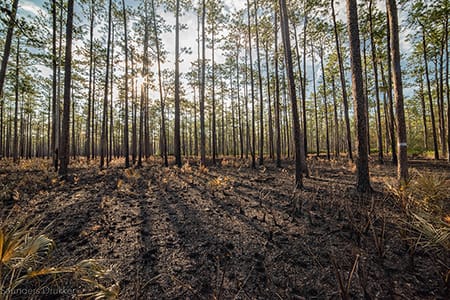
Once dominated by longleaf pine, our pine woodlands support abundant wildlife and local economies. These forests need prescribed fire to stay healthy. Herbert L. Stoddard and his associates Ed and Roy Komarek were pioneers in this emerging scientific field during the mid-20th century. Tall Timbers continues that legacy with applied research on prescribed fire and land management. Today, there is a tremendous need to expand prescribed fire use beyond the Red Hills to ensure ecosystem health and reduce wildfire risk. Additionally, Tall Timbers uses conservation easements to permanently protect private woodlands while balancing the need for economic return from selective timbering.
Tall Timbers hosts the premier fire technology transfer organization—the Southern Fire Exchange. This JFSP funded effort helps connect research to management through webinars, workshops, and support of the Prescribed Fire Science Consortium.
The Longleaf Legacy landscape prescribed fire burn team arm of Wildland Fire Science works directly with landowners and partners to effectively put fire on the ground and promote prescribed fire throughout the region.
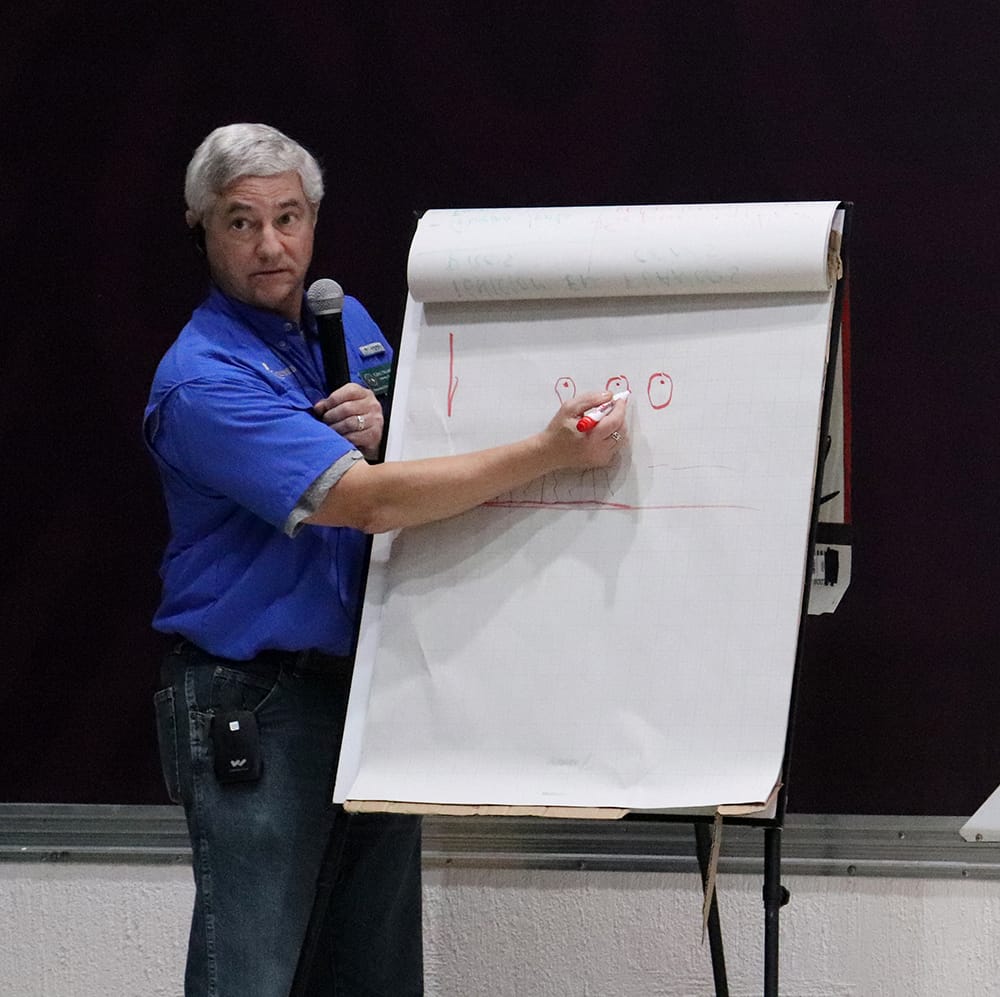
Staff and researchers support Federal fire training by serving as a cadre for NWCG training courses, ranging from basic wildland fire to advanced fire effects.
(PFTC) specializes in training fire fighters the principles and techniques of prescribed fire through practical hands-on experience. https://www.fws.gov/fire/pftc/
Private land owners are the largest source of prescribed fire in the country. These land owners and the culture of fire that was maintained by them during decades of suppression are a part of why Tall Timbers is a world-wide center for prescribed fire science. Workshops and fire training are a critical focus of the Longleaf Legacy Landscape Burn Team and our support of the Georgia Forestry Commission Prescribed Fire Center in Marion County.